
Menu
 
Portfolio
 
Terms of Use


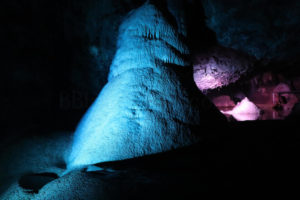
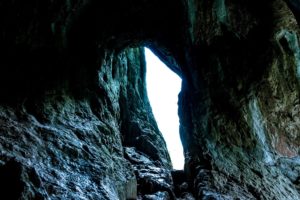
Excavations in 1864–65 and 1927–35 found human and animal remains, stone tools, pottery, amber beads, and bronze items within Thor’s Cave and the adjacent Thor’s Fissure Cavern. The caves are estimated to have contained the burial sites of at least seven people. The finds suggest the cavern was occupied from the end of the Palaeolithic period, with more intensive use during the Iron Age and Roman periods.



More posts..

York Castle

In the 11th century, York was a Viking capital in the 10th century and continued as an important northern city in the 11th century. In 1068, on William the Conqueror’s first northern expedition after the Norman Conquest, he built a number of castles across the

Read More
Braemar Castle

Braemar Castle is situated near the village of Braemar in Aberdeenshire, Scotland. It is a possession of the chief of Clan Farquharson.   From the Late Middle Ages, the castle was a stronghold of the Earls of Mar. The present Braemar Castle was constructed in

Read More
Wayland’s Smithy

Wayland’s Smithy is a chambered long barrow located near the village of Ashbury in the south-eastern English county of Oxfordshire. Probably constructed in the thirty-sixth century BC, during Britain’s Early Neolithic period, today it survives in a partially reconstructed state.   Wayland’s Smithy is along

Read More
West Stow

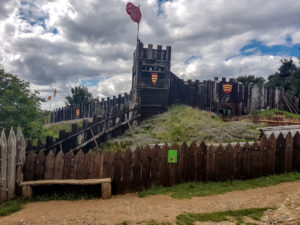
Prehistoric settlement: The site at West Stow has shown evidence of human habitation throughout British prehistory. Indeed, the wider Lark Valley contains the greatest known concentration of prehistoric settlements in the region of East Anglia. Mesolithic: Excavation at West Stow has discovered evidence for hunter-gatherers

Read More
Share on facebook
Share on twitter
Share on linkedin
Share on pinterest
error: