
Menu
 
Portfolio
 
Terms of Use
 

Danebury Iron Age Hill Fort


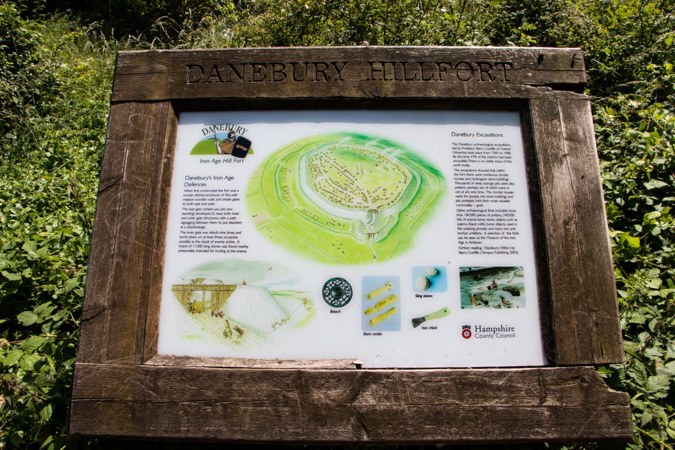
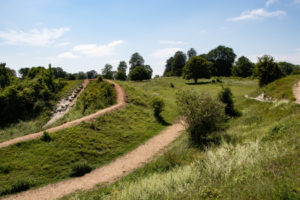
Danebury Iron Age Hill Fort is one of the most studied Iron Age hill forts in Europe and a Scheduled Ancient Monument. ‘Iron Age’ describes the period between the end of the Bronze Age and the start of the Roman period (700BC to AD43). Evidence found suggests that the fort was built 2500 years ago and occupied for nearly 500 years.

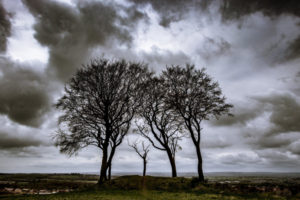
At the highest point of the hill there were shrines and temples. Religion was important to the people who lived at Danebury. Their pagan belief was that the gods lived in rivers, trees, or other natural features. They made offerings to the gods and sometimes sacrifices. Some of the burials uncovered at Danebury are thought to have been sacrificial. Rituals were carried out by the priests, known as druids, who were respected in the community and acted as a link between the people and their gods.

More posts..

Christchurch Castle

Christchurch Castle is located in Christchurch, Dorset, England. The earliest stonework has been dated to 1160. It is a Norman motte and bailey castle. The castle’s site is inside the old Saxon burh dominating the River Avon’s lowest crossing.   The Constable’s House standing adjacent

Read More
Lincoln Castle

Lincoln Castle is a major Norman castle constructed in Lincoln, England, during the late 11th century by William the Conqueror on the site of a pre-existing Roman fortress. The castle is unusual in that it has two mottes. It is one of only two such

Read More
Tamworth Castle

Tamworth Castle is a Norman castle overlooking the mouth of the River Anker into the Tame in the town of Tamworth in Staffordshire, England. Before boundary changes in 1889, however, the castle was within the edge of Warwickshire while most of the town belonged to

Read More
Blackness Castle

Blackness Castle is a 15th-century fortress, near the village of Blackness, Scotland, on the south shore of the Firth of Forth.   It was built, probably on the site of an earlier fort, by Sir George Crichton in the 1440s. At this time, Blackness was

Read More
Share on facebook
Share on twitter
Share on linkedin
Share on pinterest
error: