
Menu
 
Portfolio
 
Terms of Use


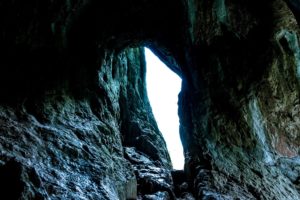
Excavations in 1864–65 and 1927–35 found human and animal remains, stone tools, pottery, amber beads, and bronze items within Thor’s Cave and the adjacent Thor’s Fissure Cavern. The caves are estimated to have contained the burial sites of at least seven people. The finds suggest the cavern was occupied from the end of the Palaeolithic period, with more intensive use during the Iron Age and Roman periods.



More posts..

Warwick Castle

Warwick Castle is a medieval castle developed from a wooden fort, originally built by William the Conqueror during 1068. Warwick is the county town of Warwickshire, England, situated on a meander of the River Avon. The original wooden motte-and-bailey castle was rebuilt in stone during

Read More
Jórvík

Scandinavian York, referred to at the time as Jórvík or Danish York is a term used by historians for the south of Northumbria (modern-day Yorkshire) during the period of the late 9th century and the first half of the 10th century, when it was dominated

Read More
Bungay Castle

Bungay Castle is in the town of Bungay, Suffolk by the River Waveney.   Originally this was a Norman castle built by Roger Bigod of Norfolk, around 1100, which took advantage of the protection given by the curve of the River Waveney. Roger’s son, Hugh

Read More
The Newark Torc

  The Newark Torc is a complete Iron Age gold alloy torc found on the outskirts of Newark-on-Trent, Nottinghamshire. The torc was probably made in Norfolk and it closely resembles the Great Torc from Snettisham and is also closely similar to one found at Sedgeford,

Read More
Share on facebook
Share on twitter
Share on linkedin
Share on pinterest
error: