
Menu
 
Portfolio
 
Terms of Use


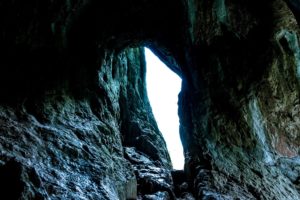
Excavations in 1864–65 and 1927–35 found human and animal remains, stone tools, pottery, amber beads, and bronze items within Thor’s Cave and the adjacent Thor’s Fissure Cavern. The caves are estimated to have contained the burial sites of at least seven people. The finds suggest the cavern was occupied from the end of the Palaeolithic period, with more intensive use during the Iron Age and Roman periods.



More posts..

Letocetum

Letocetum is the ancient remains of a Roman settlement. It was an important military staging post and posting station near the junction of Watling Street, the Roman military road to North Wales, and Icknield (or Ryknild) Street (now the A38). The site is now within

Read More
Windsor Castle

The original castle was built in the 11th century after the Norman invasion of England by William the Conqueror. Since the time of Henry I, it has been used by the reigning monarch and is the longest-occupied palace in Europe. The castle’s lavish early 19th-century

Read More
Uffington White Horse

  The Uffington White Horse is a prehistoric hill figure, formed from deep trenches filled with crushed white chalk. The figure has long been presumed to date to “the later prehistory” – the Iron Age (800 BC-AD 100) or the late Bronze Age (1000–700 BC).

Read More
Warwick Castle

Warwick Castle is a medieval castle developed from a wooden fort, originally built by William the Conqueror during 1068. Warwick is the county town of Warwickshire, England, situated on a meander of the River Avon. The original wooden motte-and-bailey castle was rebuilt in stone during

Read More
Share on facebook
Share on twitter
Share on linkedin
Share on pinterest
error: