
Framlingham Castle is a castle in the market town of Framlingham in Suffolk in England. An early motte and bailey or ringwork Norman castle was built on the Framlingham site by 1148, but this was destroyed (slighted) by Henry II of England in the aftermath...




Colchester Castle is a Norman castle in Colchester, Essex, England, dating from the second half of the eleventh century. The keep of the castle is mostly intact and is the largest example of its kind anywhere in Europe, due to its being built on the...

Lancaster Castle is a medieval castle in Lancaster in the English county of Lancashire. Its early history is unclear but may have been founded in the 11th century on the site of a Roman fort overlooking a crossing of the River Lune. In 1164, the...

Braemar Castle is situated near the village of Braemar in Aberdeenshire, Scotland. It is a possession of the chief of Clan Farquharson. From the Late Middle Ages, the castle was a stronghold of the Earls of Mar. The present Braemar Castle was constructed in...

Tintagel Castle is a medieval fortification located on the peninsula of Tintagel Island adjacent to the village of Tintagel, North Cornwall. The site was possibly occupied in the Romano-British period, as an array of artefacts dating from this period have been found on the peninsula,...

Bodiam Castle is a 14th-century moated castle near Robertsbridge in East Sussex, England. It was built in 1385 by Sir Edward Dalyngrigge, a former knight of Edward III, with the permission of Richard II, ostensibly to defend the area against French invasion during the Hundred...
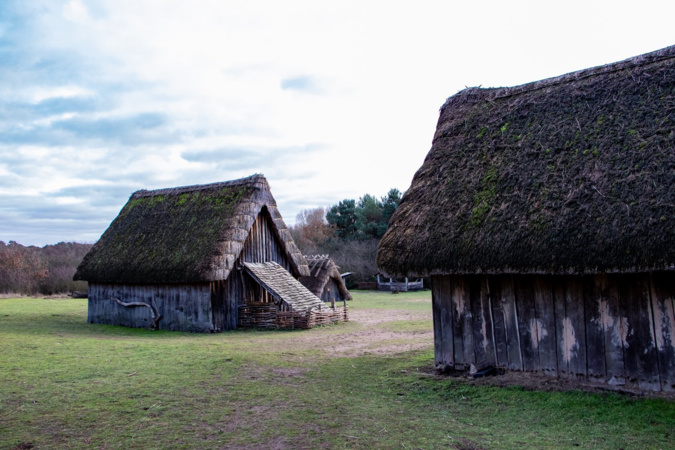
Prehistoric settlement: The site at West Stow has shown evidence of human habitation throughout British prehistory. Indeed, the wider Lark Valley contains the greatest known concentration of prehistoric settlements in the region of East Anglia. Mesolithic: Excavation at West Stow has discovered evidence for hunter-gatherers...
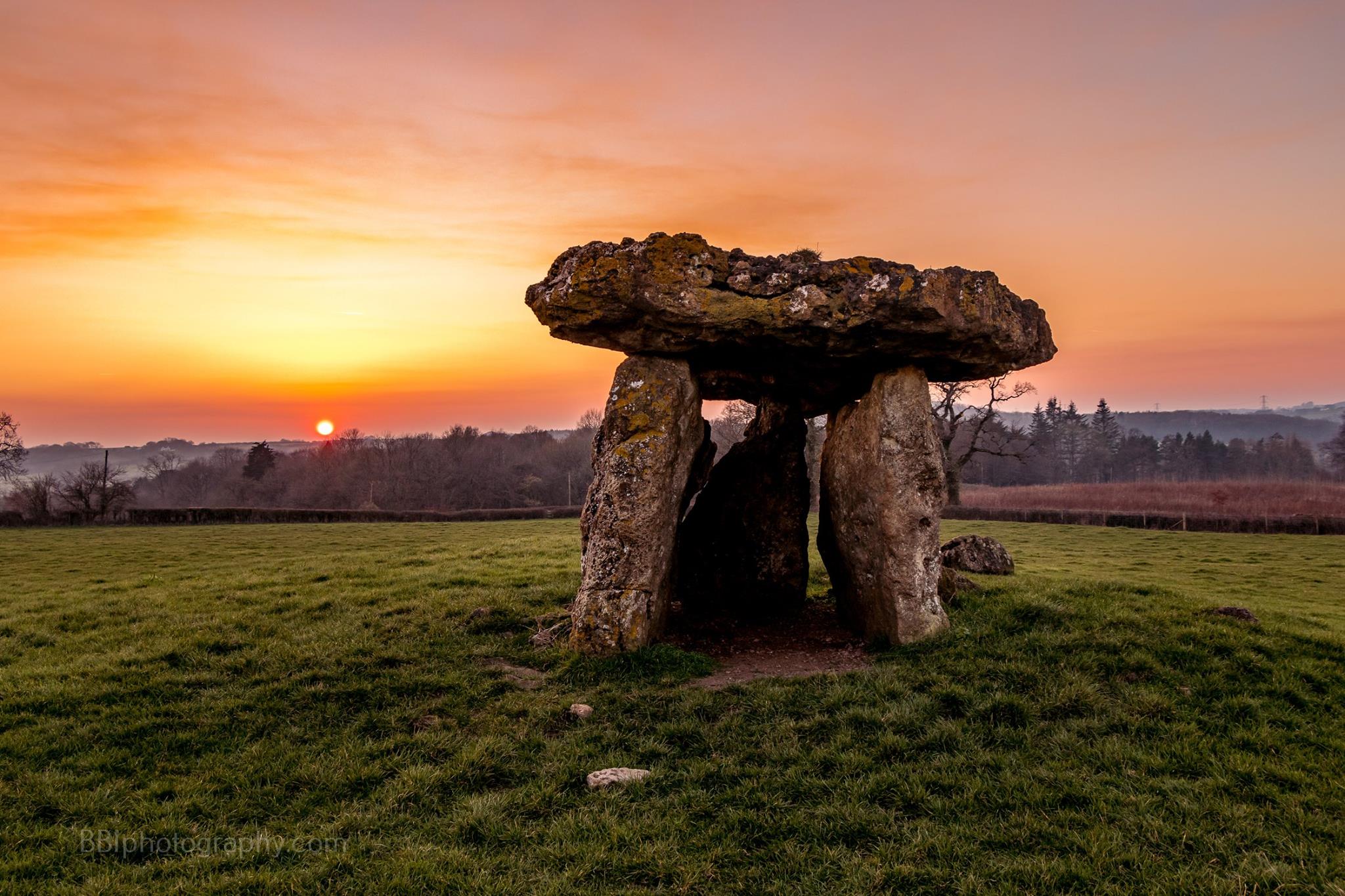
St Lythans burial chamber is a single stone megalithic dolmen, built around 6,000 BP (before present) as part of a chambered long barrow, during the mid-Neolithic period. From the end of the last ice age (between 10,000 and 12,000 BP), Mesolithic hunter-gatherers from Central...
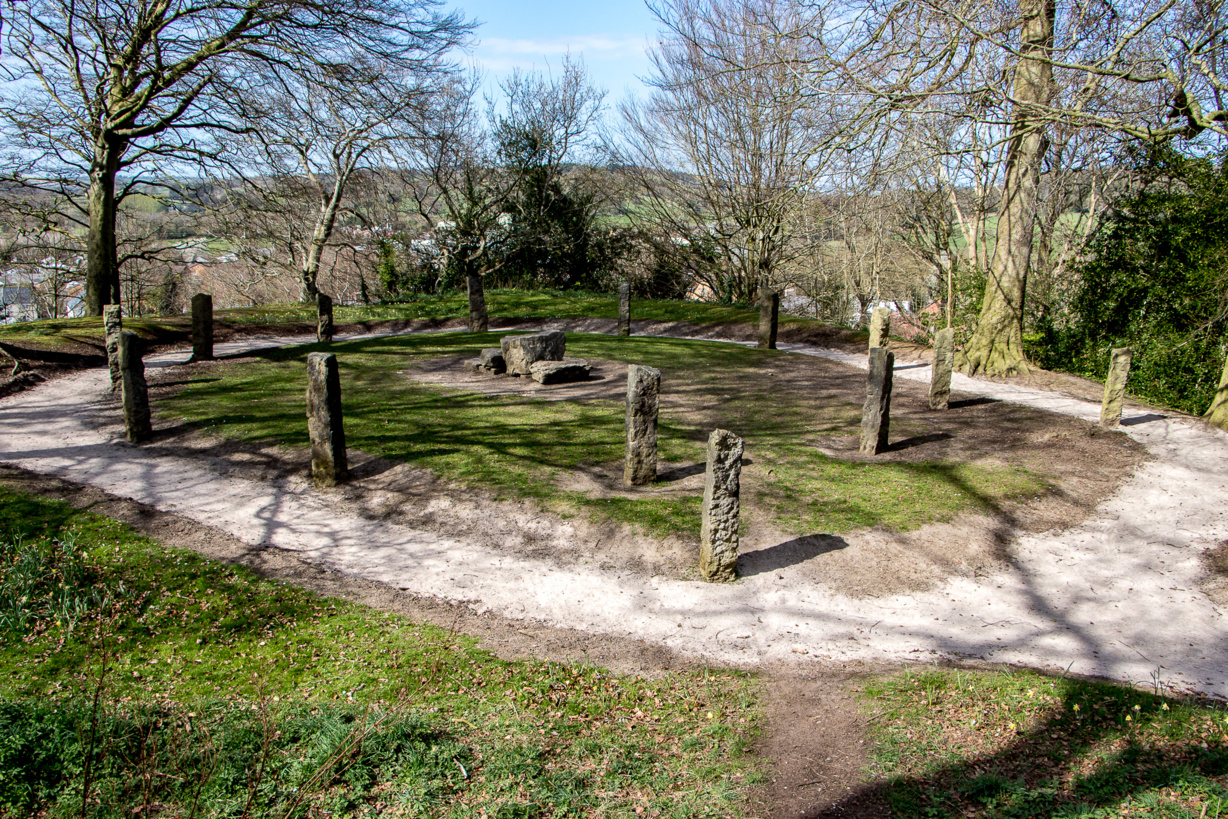
Mold Castle, on Bailey Hill in the town of Mold, Flintshire, Northeast Wales. Mold Castle was built upon an existing earthwork. A motte and bailey fortress was erected c. 1072 – possibly by Robert de Montalt, a descendant of Eustace De Monte Alto, a...

Castle Acre Castle was built by William de Warenne, the Earl of Surrey, in the manor of Acre during the 1070s. William was a Norman lord who had accompanied William the Conqueror in the conquest of England in 1066; he was rewarded with extensive estates...
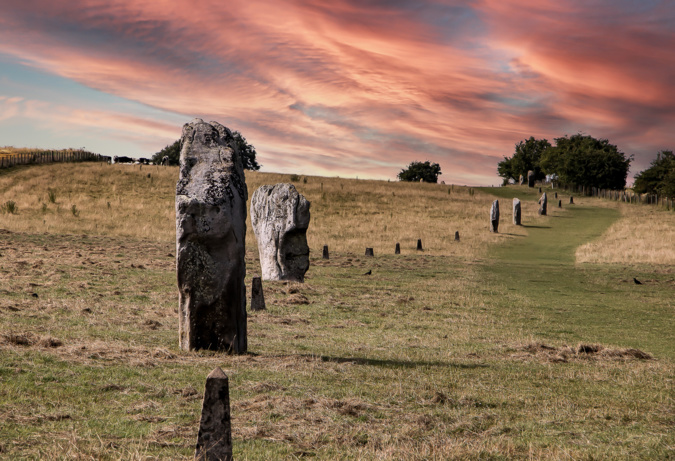
West Kennet Stone Avenue (pictured) was an avenue of two parallel lines of stones that ran between the Neolithic sites of Avebury Ring and The Sanctuary. A second avenue, called Beckhampton Avenue led west from Avebury towards Beckhampton Long Barrow. Avebury Ring is a...

Grime’s Graves is a large Neolithic flint mining complex in Norfolk, England. It was worked between c. 2600 and c. 2300 BC, although production may have continued well into the Bronze and Iron Ages (and later) owing to the low cost of flint compared with...