
Sutton Valence Castle is a ruined medieval fortification in the village of Sutton Valence in Kent, England. Overlooking a strategic route to the coast, the original castle probably comprised an inner and an outer bailey and a protective barbican, with a three-story high keep on...



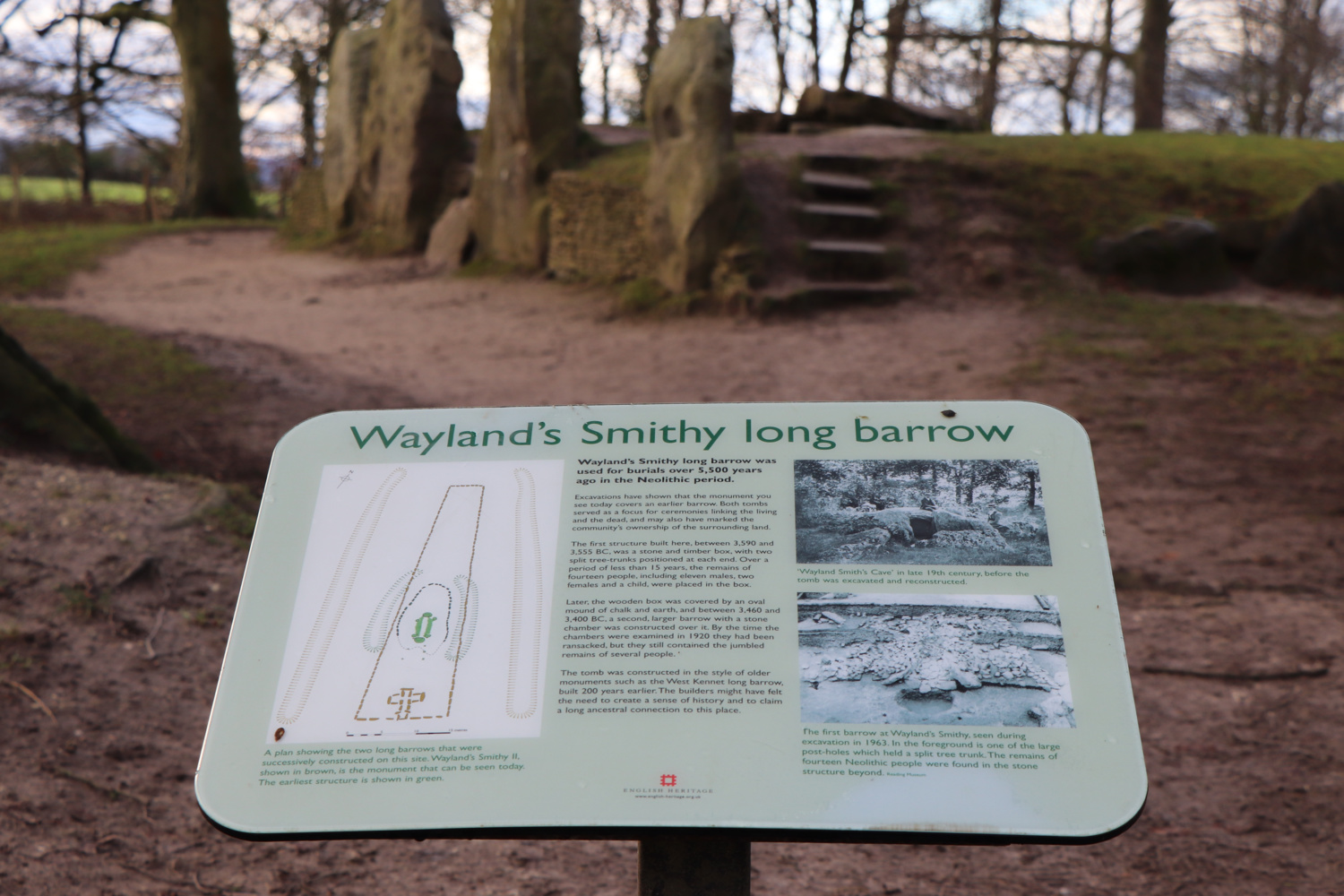
Wayland’s Smithy is a chambered long barrow located near the village of Ashbury in the south-eastern English county of Oxfordshire. Probably constructed in the thirty-sixth century BC, during Britain’s Early Neolithic period, today it survives in a partially reconstructed state. Wayland’s Smithy is along...
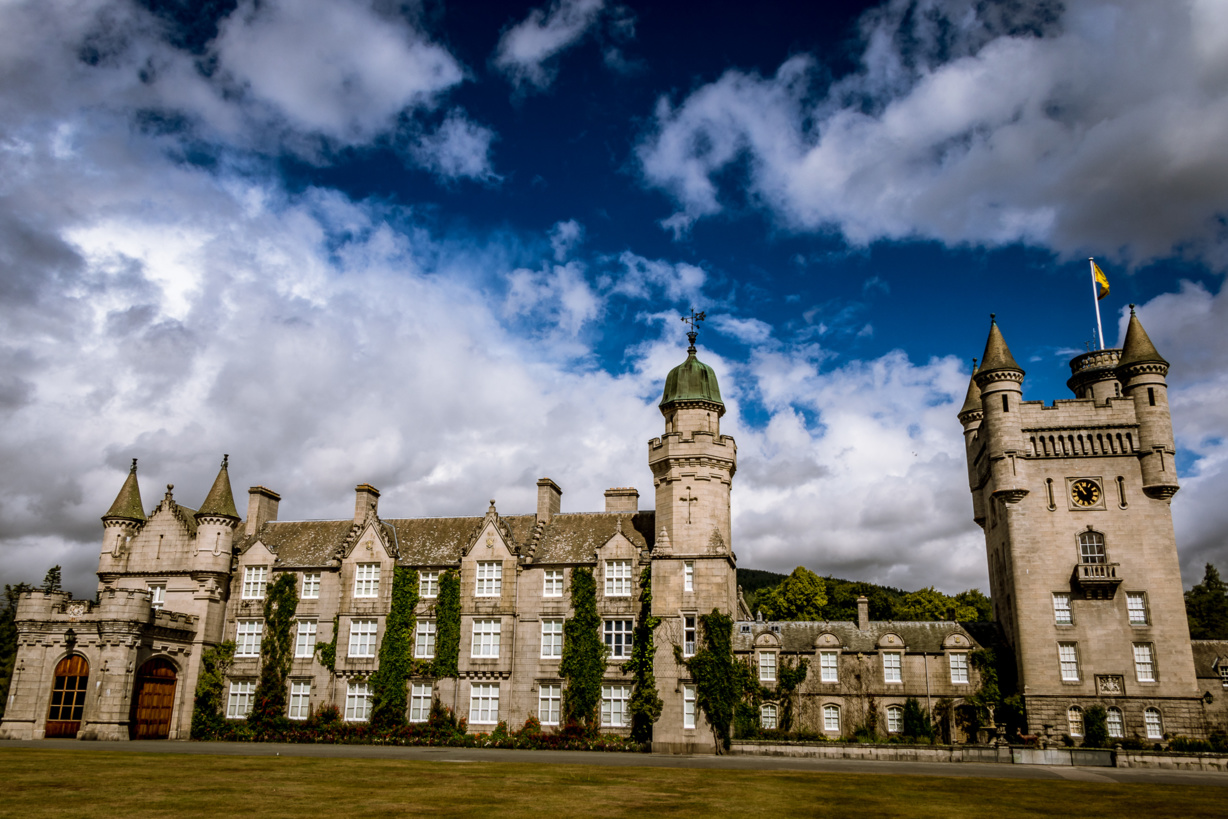
Balmoral Castle is a large estate house in Royal Deeside, Aberdeenshire, Scotland, owned by Queen Elizabeth II. It is near the village of Crathie, 9 miles west of Ballater and 50 miles west of Aberdeen. Balmoral has been one of the residences of...

Bungay Castle is in the town of Bungay, Suffolk by the River Waveney. Originally this was a Norman castle built by Roger Bigod of Norfolk, around 1100, which took advantage of the protection given by the curve of the River Waveney. Roger’s son, Hugh...
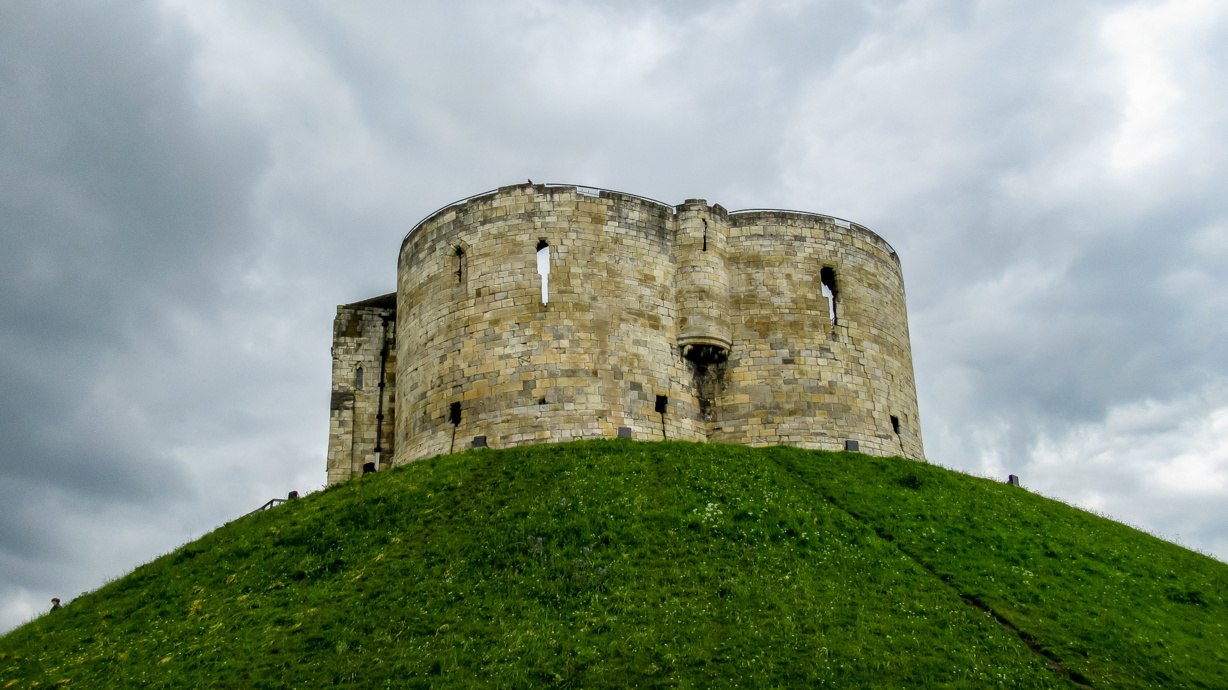
In the 11th century, York was a Viking capital in the 10th century and continued as an important northern city in the 11th century. In 1068, on William the Conqueror’s first northern expedition after the Norman Conquest, he built a number of castles across the...

Dunnottar Castle is a ruined medieval fortress located upon a rocky headland on the northeastern coast of Scotland, about 2 miles south of Stonehaven. The surviving buildings are large of the 15th and 16th centuries, but the site is believed to have been fortified in...
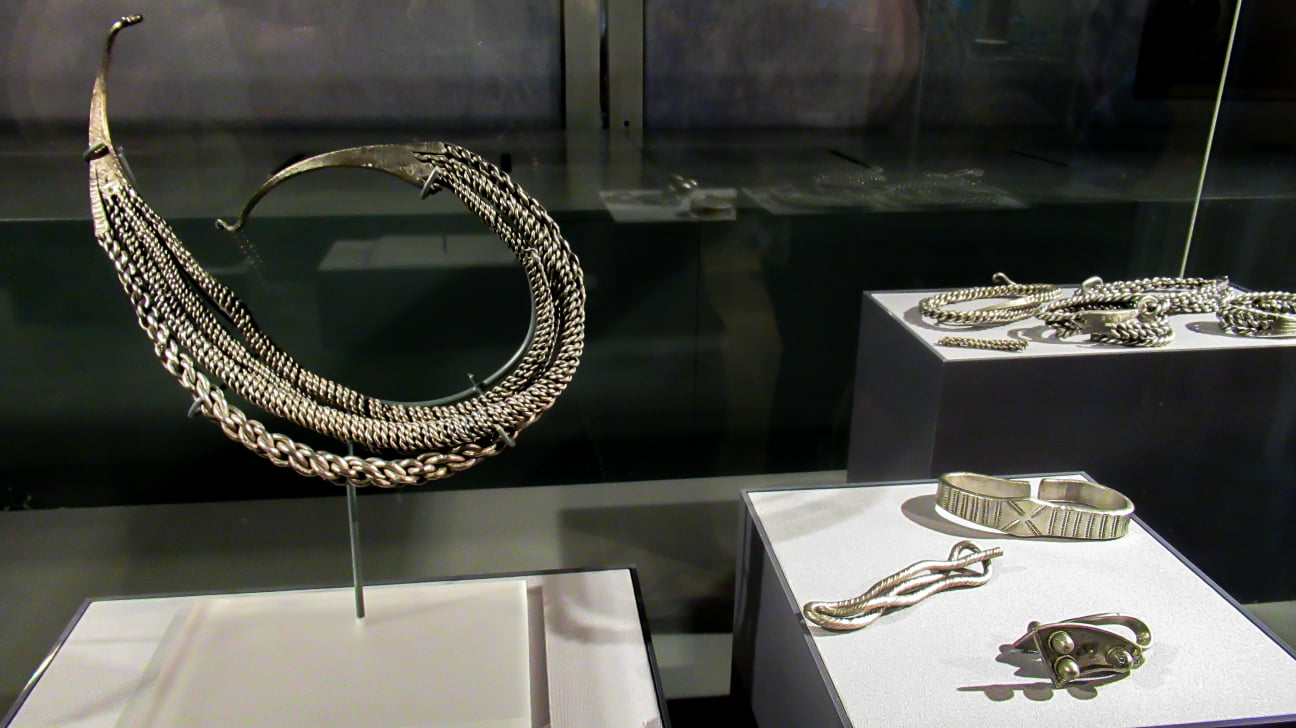
Scandinavian York, referred to at the time as Jórvík or Danish York is a term used by historians for the south of Northumbria (modern-day Yorkshire) during the period of the late 9th century and the first half of the 10th century, when it was dominated...
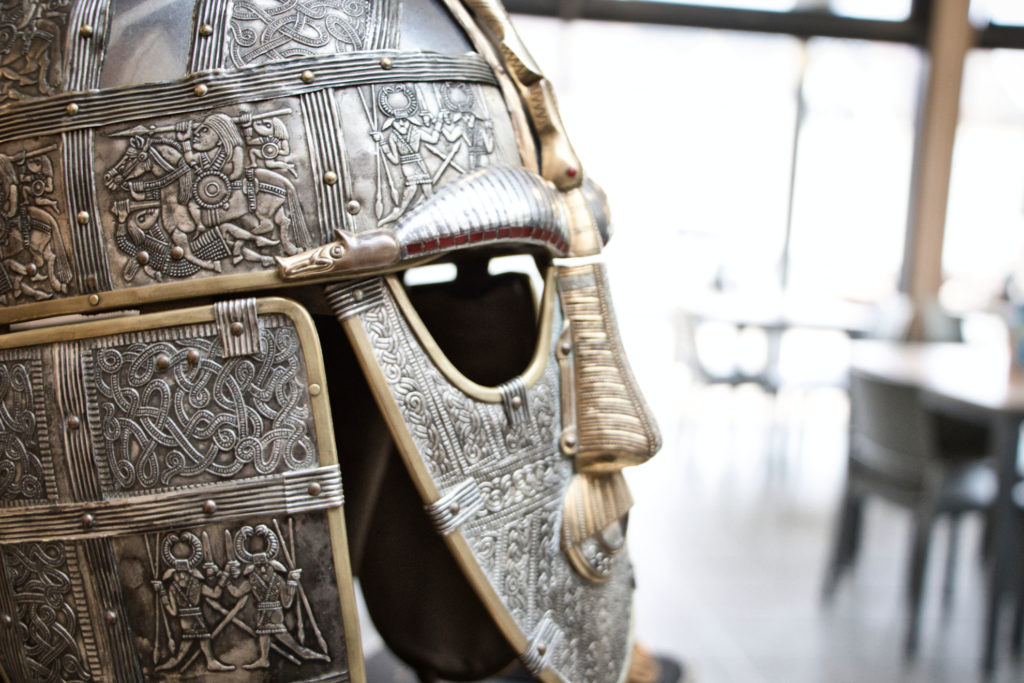
Sutton Hoo is of primary importance because it sheds light on a period of English history (6/7th century) that is on the margin between myth, legend, and historical documentation. Use of the site culminated at a time when Rædwald of the East Angles played...

Conwy Castle is a fortification in Conwy, located in North Wales. It was built by Edward I, during his conquest of Wales, between 1283 and 1289. Constructed as part of a wider project to create the walled town of Conwy. Over the next few centuries,...
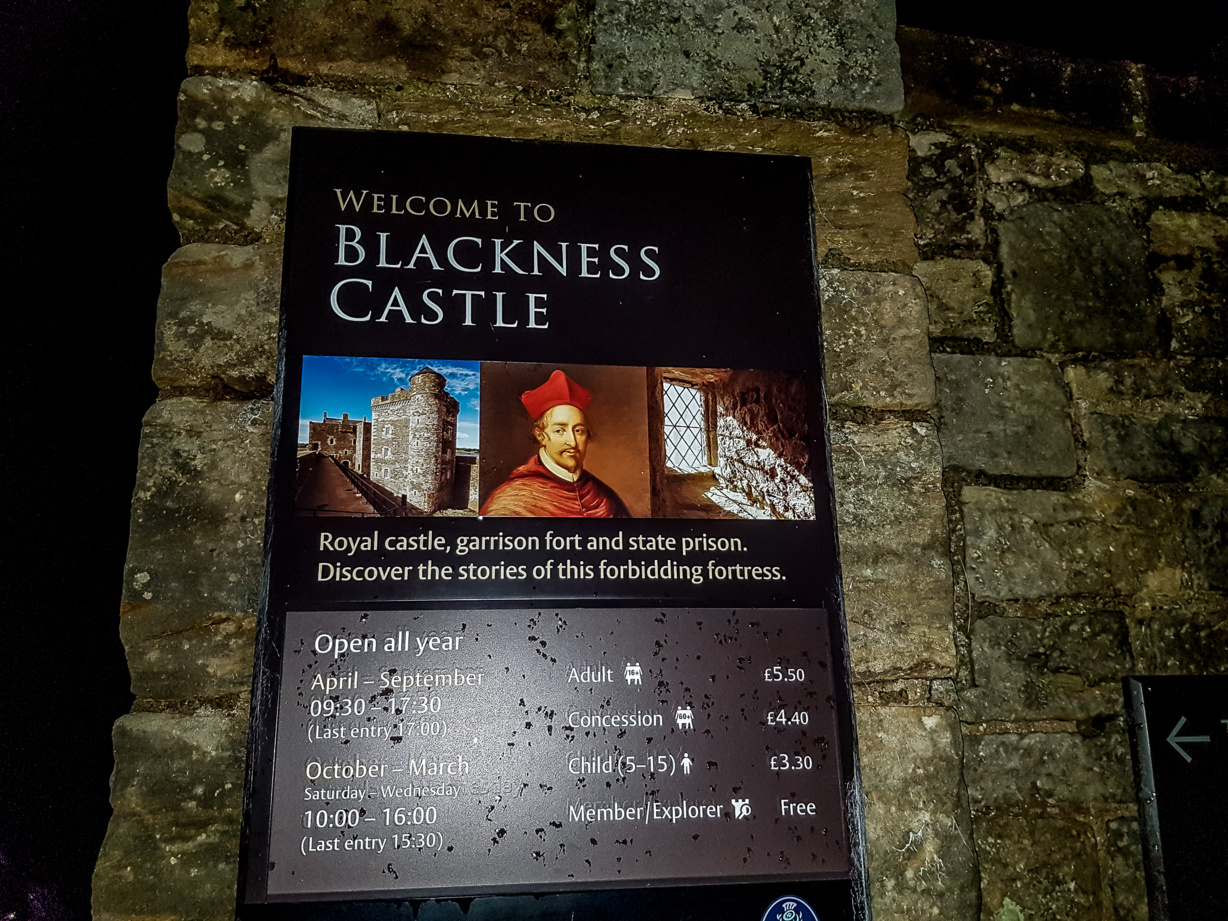
Blackness Castle is a 15th-century fortress, near the village of Blackness, Scotland, on the south shore of the Firth of Forth. It was built, probably on the site of an earlier fort, by Sir George Crichton in the 1440s. At this time, Blackness was...
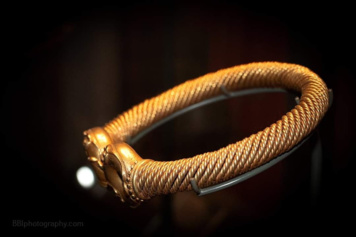
The Newark Torc is a complete Iron Age gold alloy torc found on the outskirts of Newark-on-Trent, Nottinghamshire. The torc was probably made in Norfolk and it closely resembles the Great Torc from Snettisham and is also closely similar to one found at Sedgeford,...
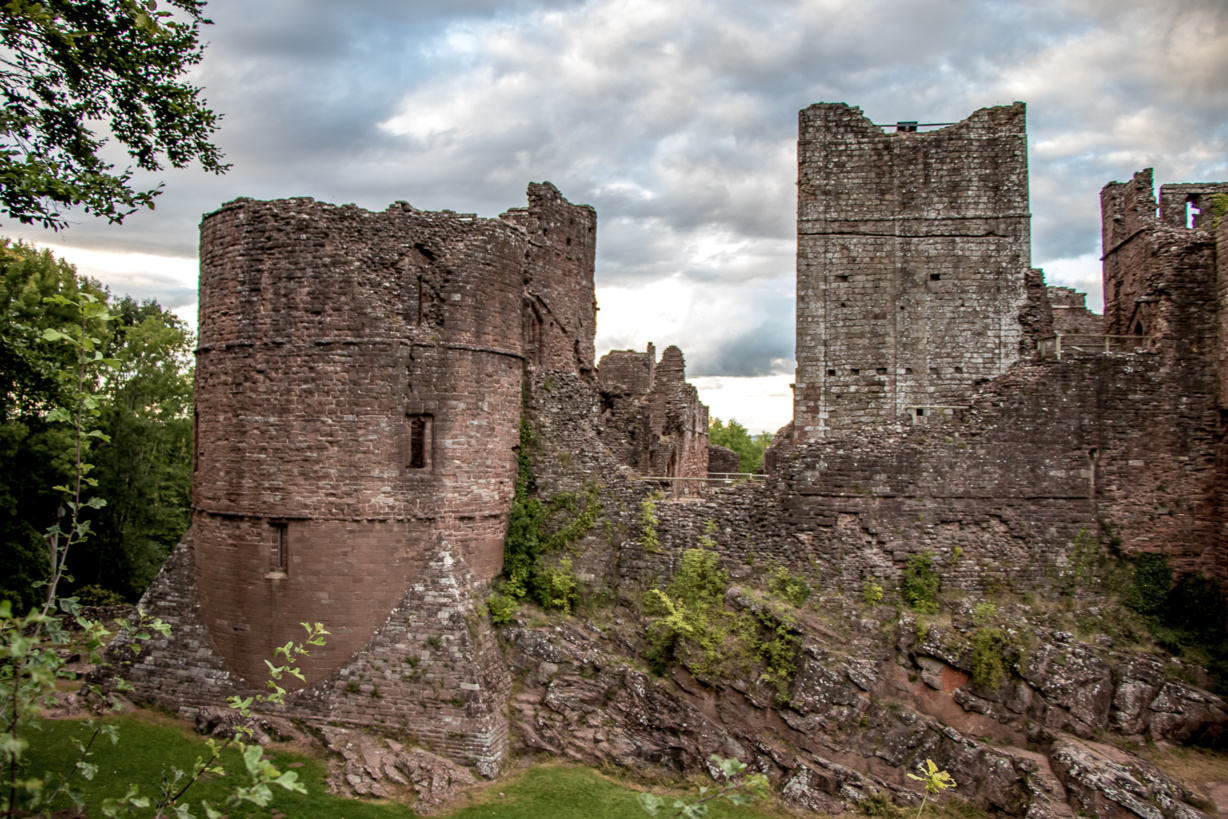
Goodrich Castle is a Norman medieval castle ruin north of the village of Goodrich in Herefordshire, England, controlling a key location between Monmouth and Ross-on-Wye. It was praised by William Wordsworth as the “noblest ruin in Herefordshire” and is considered by historian Adrian Pettifer to...