
Conisbrough Castle is a medieval fortification in Conisbrough, South Yorkshire, England. The castle was initially built in the 11th century by William de Warenne, the Earl of Surrey, after the Norman conquest of England in 1066. Hamelin Plantagenet, the illegitimate, parvenu brother of Henry II,...



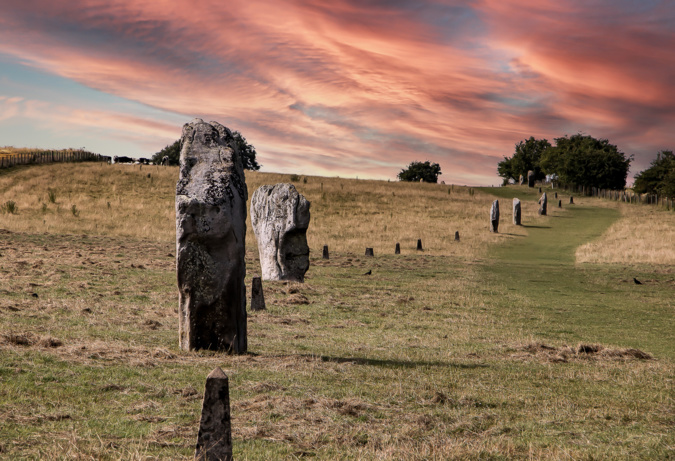
West Kennet Stone Avenue (pictured) was an avenue of two parallel lines of stones that ran between the Neolithic sites of Avebury Ring and The Sanctuary. A second avenue, called Beckhampton Avenue led west from Avebury towards Beckhampton Long Barrow. Avebury Ring is a...
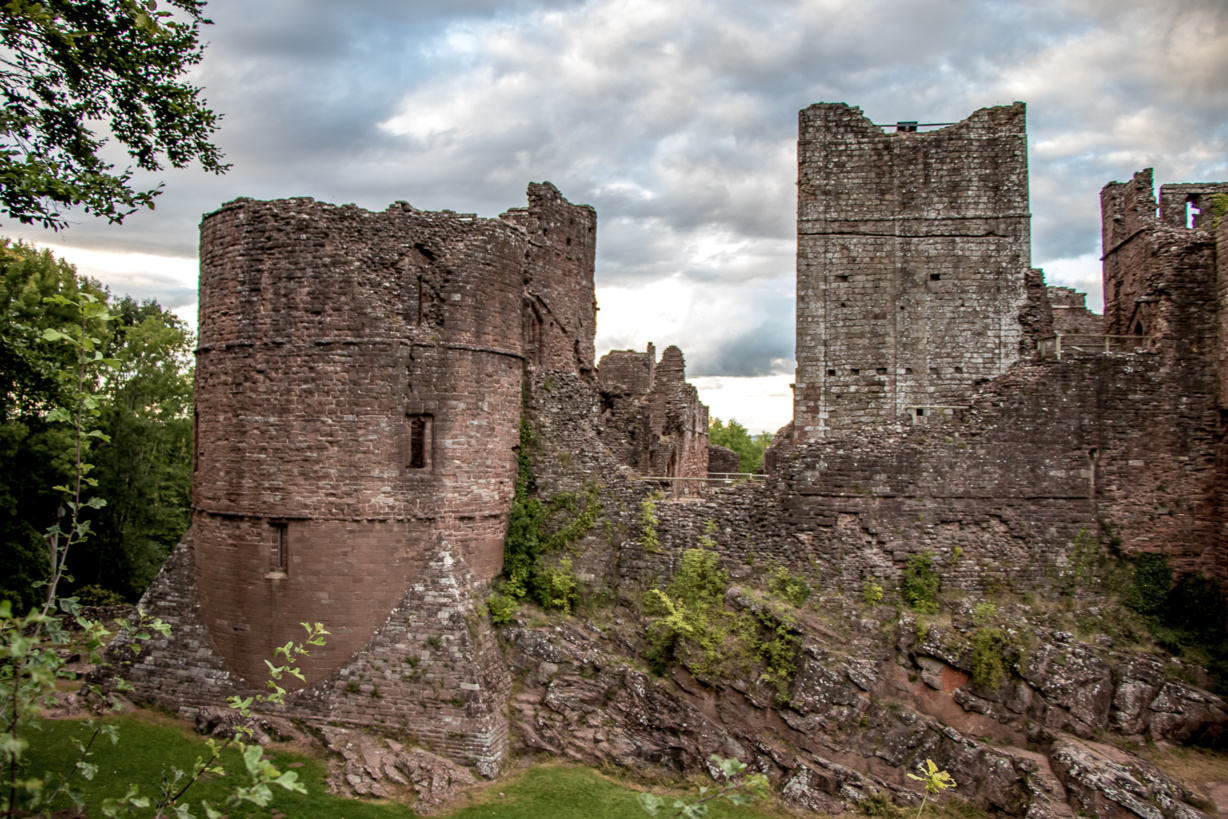
Goodrich Castle is a Norman medieval castle ruin north of the village of Goodrich in Herefordshire, England, controlling a key location between Monmouth and Ross-on-Wye. It was praised by William Wordsworth as the “noblest ruin in Herefordshire” and is considered by historian Adrian Pettifer to...

Dover Castle is a medieval castle in Dover, Kent, England. It was founded in the 11th century and has been described as the “Key to England” due to its defensive significance throughout history. Some sources say it is the largest castle in England, a title...

At the top of the hill, on its eastern side, is a circular mound of earth, hollowed out in the center. This is the remains of a Bronze Age tumulus or round barrow, an example of a prehistoric monument that can be found all over...

Bungay Castle is in the town of Bungay, Suffolk by the River Waveney. Originally this was a Norman castle built by Roger Bigod of Norfolk, around 1100, which took advantage of the protection given by the curve of the River Waveney. Roger’s son, Hugh...

Bodiam Castle is a 14th-century moated castle near Robertsbridge in East Sussex, England. It was built in 1385 by Sir Edward Dalyngrigge, a former knight of Edward III, with the permission of Richard II, ostensibly to defend the area against French invasion during the Hundred...

Jarrow Hall (formerly Bede’s World) is a museum in Jarrow, South Tyneside, England which celebrates the life of the Venerable Bede; a monk, author, and scholar who lived at the Abbey Church of Saint Peter and Saint Paul, Wearmouth-Jarrow, a double monastery at Jarrow and...

Royston Cave is an artificial cave located in Katherine’s Yard, Melbourn Street, Royston, England. It is located beneath the crossroads formed by Ermine Street and the Icknield Way. It has been speculated that it was used by the Knights Templar, who founded nearby Baldock, but...

Eilean Donan is a small tidal island where three sea lochs meet, Loch Duich, Loch Long, and Loch Alsh, in the western Highlands of Scotland. A picturesque castle that frequently appears in photographs, film, and television dominates the island, which lies about 1 kilometer from...

The first castle on the Castell Coch site was probably built after 1081, during the Norman invasion of Wales. It formed one of a string of eight fortifications intended to defend the newly conquered town of Cardiff and control the route along the Taff Gorge....
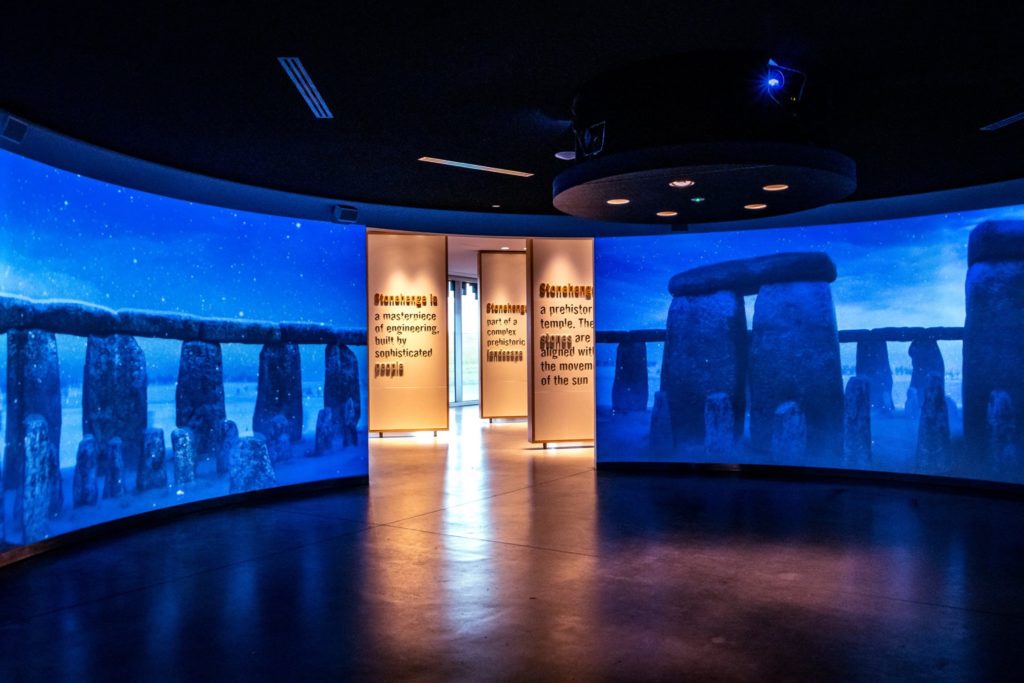
Stonehenge is a prehistoric monument in Wiltshire, England, west of Amesbury and north of Salisbury. Stonehenge’s ring of standing stones is set within earthworks in the middle of the densest complex of Neolithic and Bronze Age monuments in England, including several hundred burial mounds. Archaeologists...