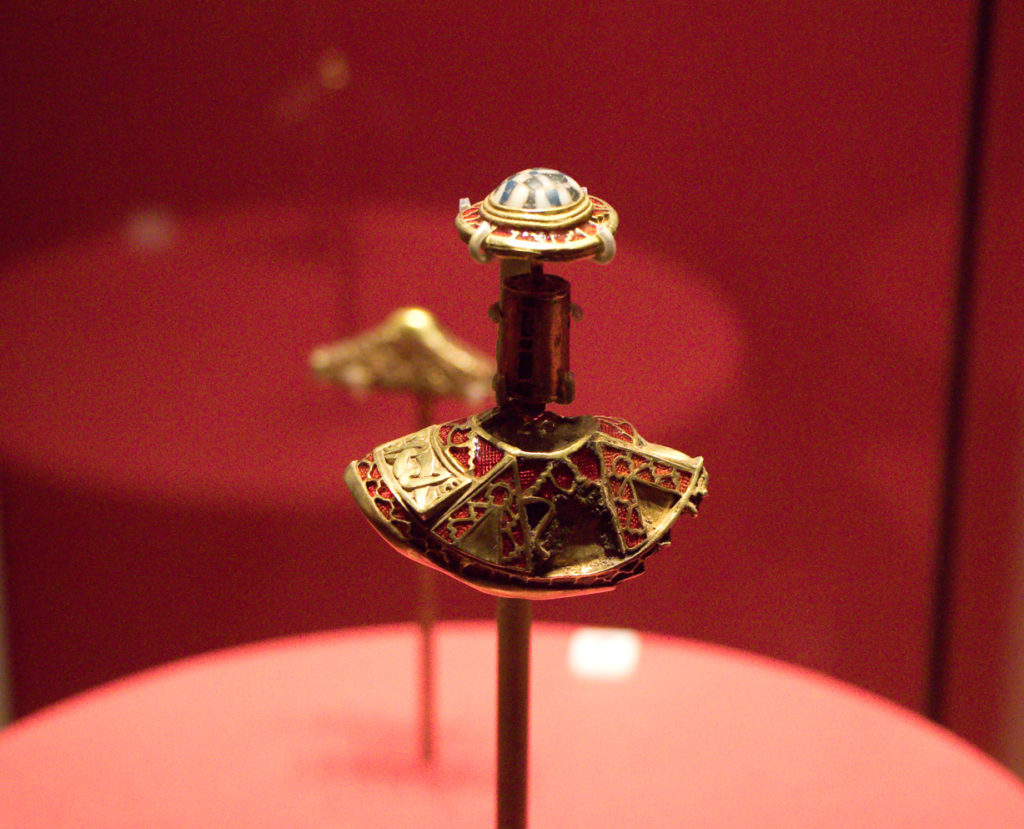
The Staffordshire Hoard is the largest hoard of Anglo-Saxon gold and silver metalwork yet found. It consists of over 3,500 items. The hoard was most likely deposited in the 7th century and contains artifacts probably manufactured during the 6th and 7th centuries. It...




Urquhart Castle sits beside Loch Ness in the Highlands of Scotland. The castle is on the A82 road, 21 kilometers south-west of Inverness and 2 kilometers east of the village of Drumnadrochit. The name Urquhart derives from the 7th-century form Airdchartdan, itself a mix...

Carmarthen Castle is a ruined castle in Carmarthen, West Wales, UK. First built by Walter, Sheriff of Gloucester in the early 1100s, the castle was captured and destroyed on several occasions before being rebuilt in stone during the 1190s. The castle was captured by Owain...

Devil’s Quoits Henge and Stone Circle – The site is believed to be from the Neolithic Period, between 4000 and 5000 years old, and is a Scheduled Ancient Monument. The henge is a major class II circle henge monument of the Late Neolithic date....

Conisbrough Castle is a medieval fortification in Conisbrough, South Yorkshire, England. The castle was initially built in the 11th century by William de Warenne, the Earl of Surrey, after the Norman conquest of England in 1066. Hamelin Plantagenet, the illegitimate, parvenu brother of Henry II,...

Invergarry Castle in the Scottish Highlands was the seat of the Chiefs of the Clan MacDonell of Glengarry, a powerful branch of the Clan Donald. The castle’s position overlooking Loch Oich on Creagan an Fhithich – the Raven’s Rock – in the Great Glen,...

The Stanton Drew stone circles are just outside the village of Stanton Drew in the English county of Somerset. The largest stone circle is the Great Circle, 113 meters in diameter and the second largest stone circle in Britain (after Avebury); it is considered to...

Warwick Castle is a medieval castle developed from a wooden fort, originally built by William the Conqueror during 1068. Warwick is the county town of Warwickshire, England, situated on a meander of the River Avon. The original wooden motte-and-bailey castle was rebuilt in stone during...
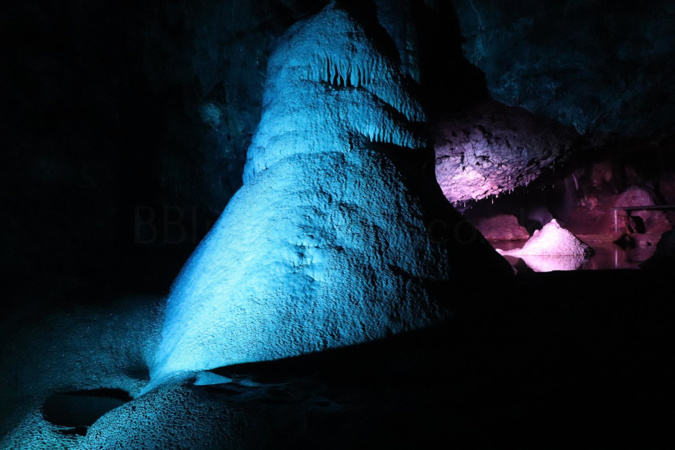
Wookey Hole Caves – Fossils of a range of animals have been found including the Pleistocene lion, Cave hyena, and Badger. Wookey Hole was occupied by humans in the Iron Age, possibly around 250-300 BC, while nearby Hyena Cave was occupied by Stone Age hunters....

Dunnottar Castle is a ruined medieval fortress located upon a rocky headland on the northeastern coast of Scotland, about 2 miles south of Stonehaven. The surviving buildings are large of the 15th and 16th centuries, but the site is believed to have been fortified in...

Merrivale Standing Stones and avenue – Remains of a Bronze Age settlement and a complex of ritual sites, including three stone rows, a stone circle, standing stones, and a number of cairns – earth mounds associated with burials. The monuments were probably built over a...

Buried for safe-keeping below the floor of a house in Roman Colchester during the Boudican revolt in AD 61. The treasure consists of 26 Roman republican coins, mostly silver, and which had been kept in a bag; the remains of a small wooden and silver...