
Menu
 
Portfolio
 
Terms of Use
 

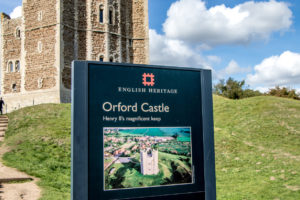
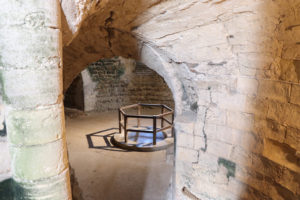
Orford Castle

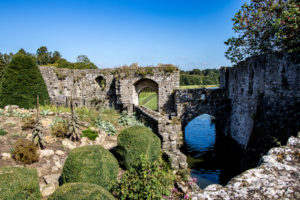
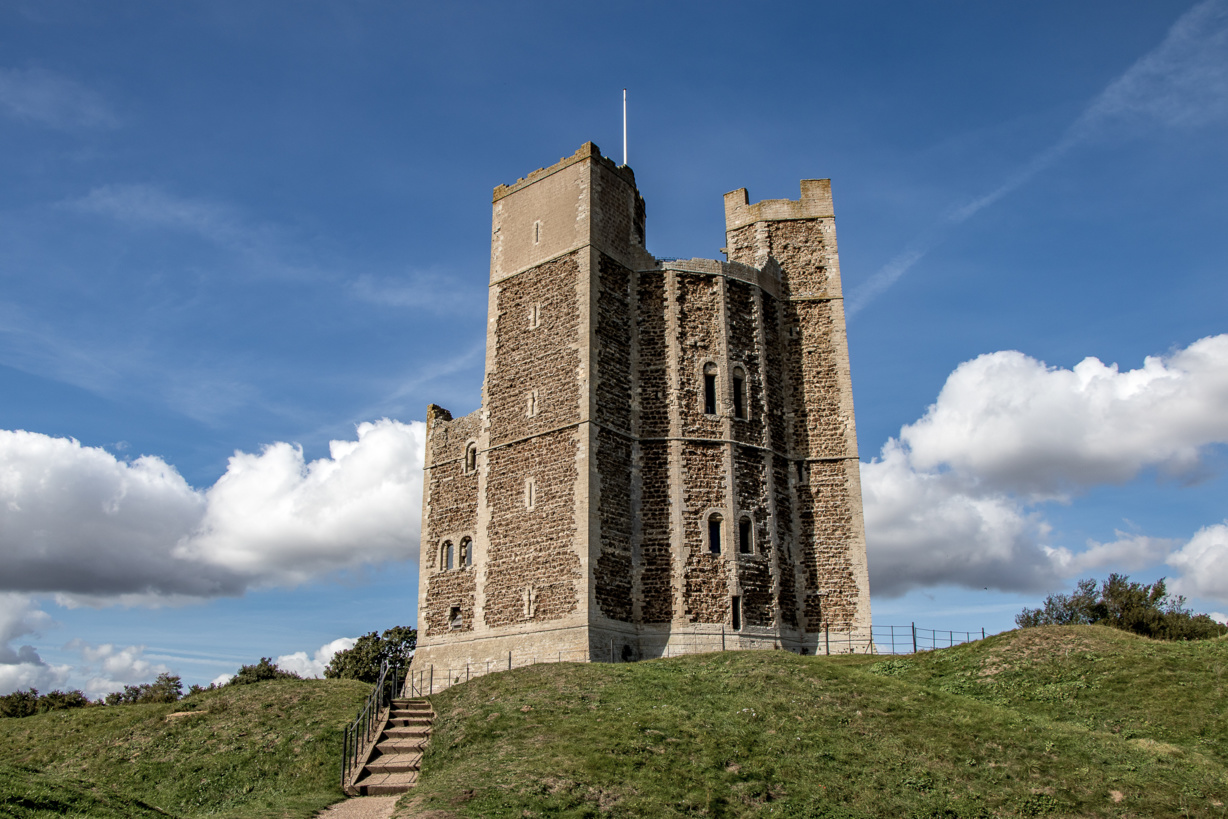
Orford Castle is a castle in Orford in the English county of Suffolk, 12 miles northeast of Ipswich, with views over Orford Ness. It was built between 1165 and 1173 by Henry II of England.


Prior to the building of Orford Castle, Suffolk was dominated by the Bigod family, who held the title of the Earl of Norfolk and owned key castles at Framlingham, Bungay, Walton, and Thetford. Hugh Bigod had been one of a group of dissenting barons during the Anarchy in the reign of King Stephen, and Henry II wished to re-establish royal influence across the region. Henry confiscated the four castles from Hugh but returned Framlingham and Bungay to Hugh in 1165. Henry then decided to build his own royal castle at Orford, near Framlingham, and construction work began in 1165, concluding in 1173. The Orford site was around 2 miles from the sea, lying on flat ground with swampy terrain slowly stretching away down to the river Ore, about 1⁄2 mile away.


More posts..

Warwick Castle

Warwick Castle is a medieval castle developed from a wooden fort, originally built by William the Conqueror during 1068. Warwick is the county town of Warwickshire, England, situated on a meander of the River Avon. The original wooden motte-and-bailey castle was rebuilt in stone during

Read More
Ashby de la Zouch Castle

Ashby de la Zouch Castle is a ruined fortification in the town of Ashby-de-la-Zouch, Leicestershire, England. The castle was built by William, Lord Hastings, a favorite of Edward IV, after 1473, accompanied by the creation of a 3,000-acre park. Constructed on the site of an

Read More
Stonehenge

Stonehenge is a prehistoric monument in Wiltshire, England, west of Amesbury and north of Salisbury. Stonehenge’s ring of standing stones is set within earthworks in the middle of the densest complex of Neolithic and Bronze Age monuments in England, including several hundred burial mounds. Archaeologists

Read More
The Rollright Stones

  The Rollright Stones is a complex of three Neolithic and Bronze Age megalithic monuments near the village of Long Compton, on the borders of Oxfordshire and Warwickshire. Constructed from local oolitic limestone, the three monuments now known as the King’s Men and the Whispering

Read More
Share on facebook
Share on twitter
Share on linkedin
Share on pinterest
error: