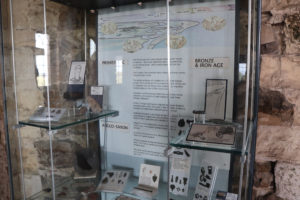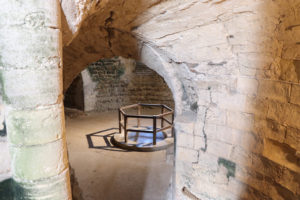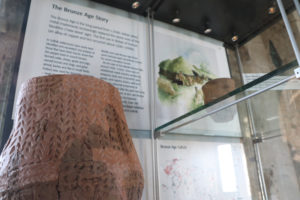


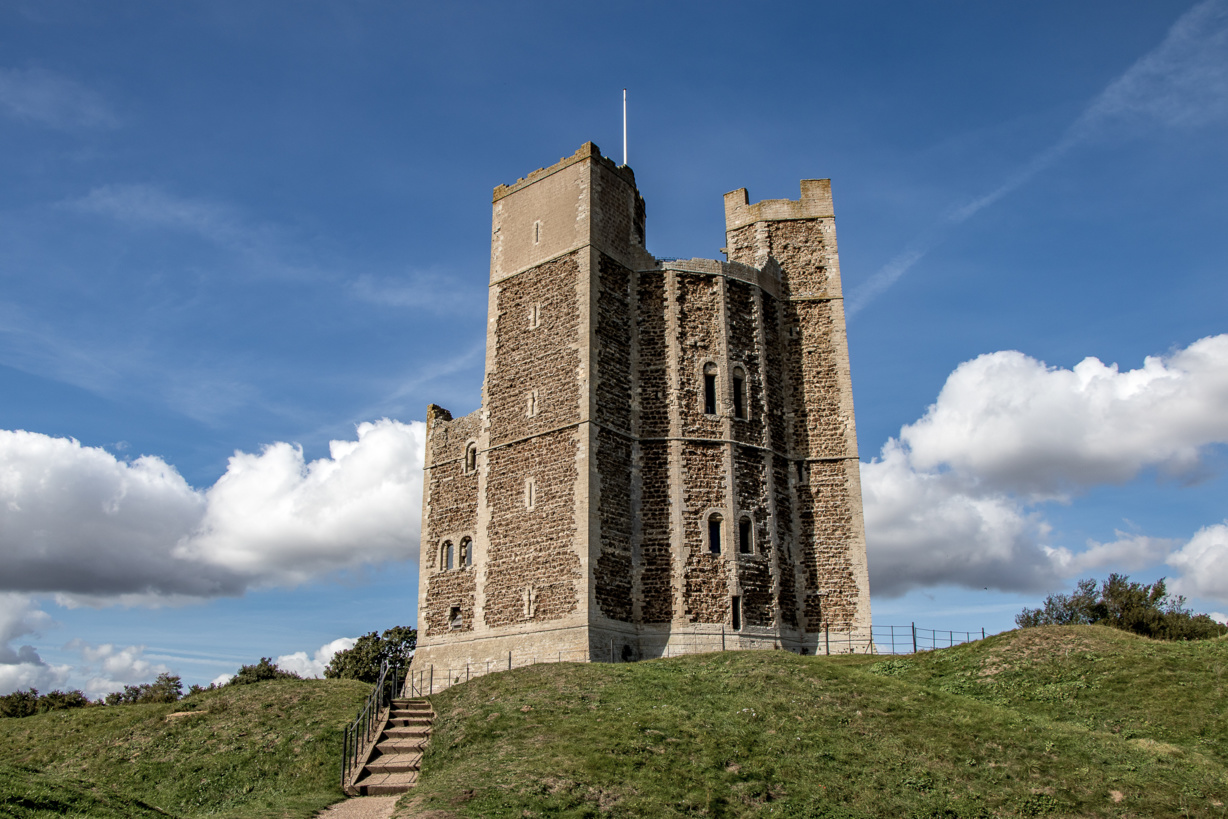
 Orford Castle is a castle in Orford in the English county of Suffolk, 12 miles northeast of Ipswich, with views over Orford Ness. It was built between 1165 and 1173 by Henry II of England.
Prior to the building of Orford Castle, Suffolk was dominated by the Bigod family, who held the title of the Earl of Norfolk and owned key castles at Framlingham, Bungay, Walton, and Thetford. Hugh Bigod had been one of a group of dissenting barons during the Anarchy in the reign of King Stephen, and Henry II wished to re-establish royal influence across the region. Henry confiscated the four castles from Hugh but returned Framlingham and Bungay to Hugh in 1165. Henry then decided to build his own royal castle at Orford, near Framlingham, and construction work began in 1165, concluding in 1173. The Orford site was around 2 miles from the sea, lying on flat ground with swampy terrain slowly stretching away down to the river Ore, about 1⁄2 mile away.