
Menu
 
Portfolio
 
Terms of Use
 

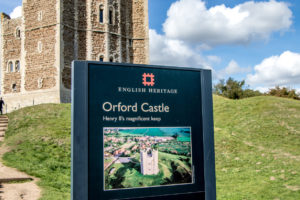
Orford Castle

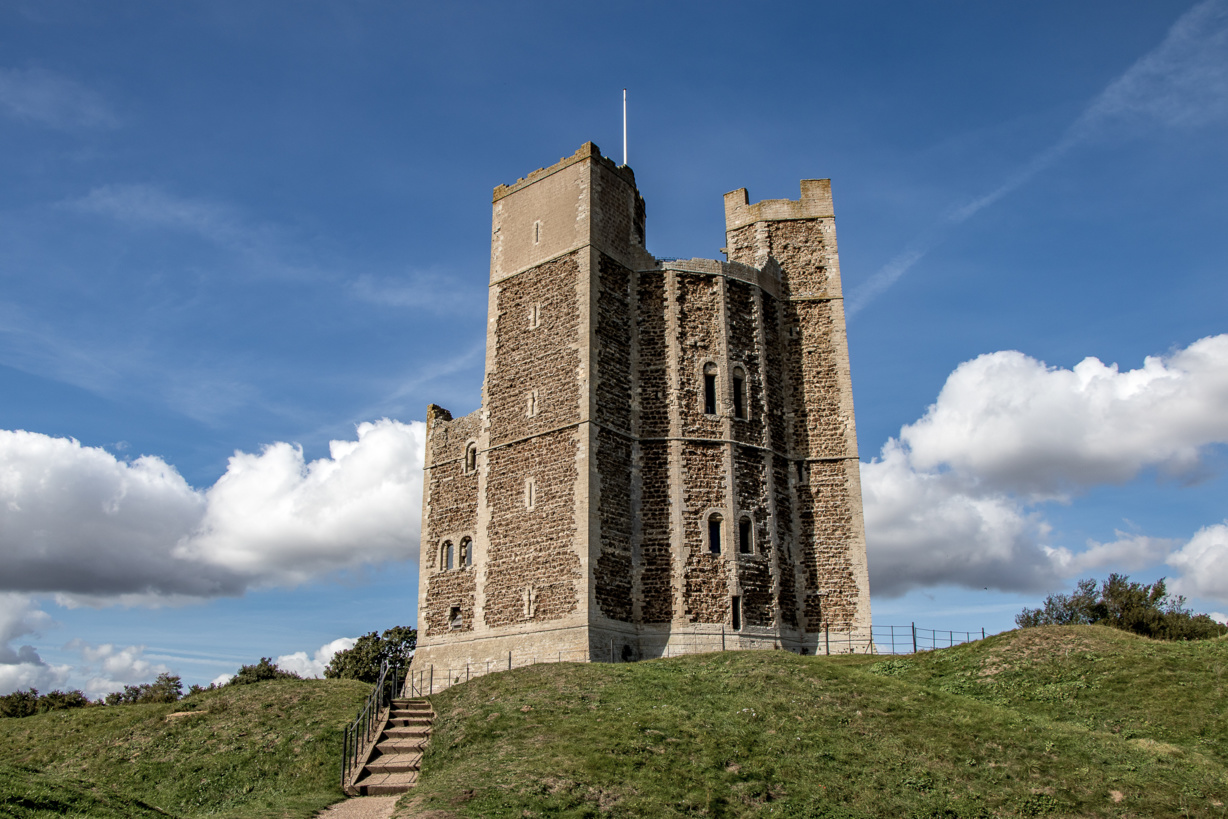
Orford Castle is a castle in Orford in the English county of Suffolk, 12 miles northeast of Ipswich, with views over Orford Ness. It was built between 1165 and 1173 by Henry II of England.


Prior to the building of Orford Castle, Suffolk was dominated by the Bigod family, who held the title of the Earl of Norfolk and owned key castles at Framlingham, Bungay, Walton, and Thetford. Hugh Bigod had been one of a group of dissenting barons during the Anarchy in the reign of King Stephen, and Henry II wished to re-establish royal influence across the region. Henry confiscated the four castles from Hugh but returned Framlingham and Bungay to Hugh in 1165. Henry then decided to build his own royal castle at Orford, near Framlingham, and construction work began in 1165, concluding in 1173. The Orford site was around 2 miles from the sea, lying on flat ground with swampy terrain slowly stretching away down to the river Ore, about 1⁄2 mile away.


More posts..

Urquhart Castle

Urquhart Castle sits beside Loch Ness in the Highlands of Scotland. The castle is on the A82 road, 21 kilometers south-west of Inverness and 2 kilometers east of the village of Drumnadrochit.   The name Urquhart derives from the 7th-century form Airdchartdan, itself a mix

Read More
Seven Sisters Round Barrow

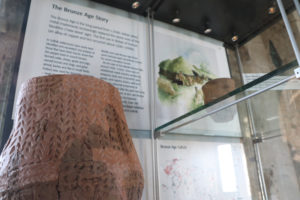
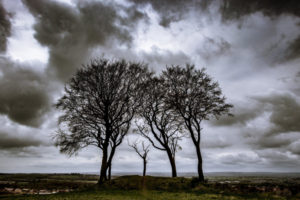
  Older than Stonehenge, the Seven Sisters Round Barrow, Copt Hill, Houghton-le-Spring was excavated in 1877. They found objects from the Neolithic and Bronze Age periods. A burial urn that they found is now in the British Museum. In 2003 a sample of charcoal was

Read More
Goodrich Castle

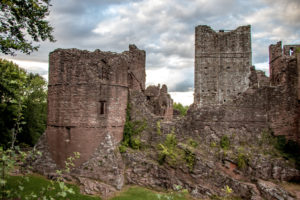
Goodrich Castle is a Norman medieval castle ruin north of the village of Goodrich in Herefordshire, England, controlling a key location between Monmouth and Ross-on-Wye. It was praised by William Wordsworth as the “noblest ruin in Herefordshire” and is considered by historian Adrian Pettifer to

Read More
Uffington White Horse

  The Uffington White Horse is a prehistoric hill figure, formed from deep trenches filled with crushed white chalk. The figure has long been presumed to date to “the later prehistory” – the Iron Age (800 BC-AD 100) or the late Bronze Age (1000–700 BC).

Read More
Share on facebook
Share on twitter
Share on linkedin
Share on pinterest
error: