
Menu
 
Portfolio
 
Terms of Use
 

Grime’s Graves

Grime’s Graves is a large Neolithic flint mining complex in Norfolk, England. It was worked between c. 2600 and c. 2300 BC, although production may have continued well into the Bronze and Iron Ages (and later) owing to the low cost of flint compared with metals. Flint was much in demand for making polished stone axes in the Neolithic period.


More posts..

Rochester Castle

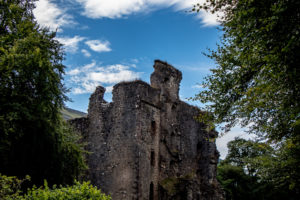
Rochester Castle stands on the east bank of the River Medway in Rochester, Kent, South East England. The 12th-century keep or stone tower, which is the castle’s most prominent feature, is one of the best-preserved in England or France.   Castles were introduced to England

Read More
Kit’s Coty

 Kit’s Coty is a chambered long barrow near the village of Aylesford in the southeastern English county of Kent. Constructed circa 4000 BCE, during the Early Neolithic period of British prehistory.   The name “Kits Coty” allegedly means “Tomb in the Forest” according to signs

Read More
Carmarthen Castle

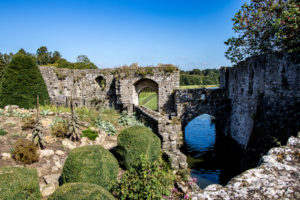
Carmarthen Castle is a ruined castle in Carmarthen, West Wales, UK. First built by Walter, Sheriff of Gloucester in the early 1100s, the castle was captured and destroyed on several occasions before being rebuilt in stone during the 1190s. The castle was captured by Owain

Read More
West Stow

Prehistoric settlement: The site at West Stow has shown evidence of human habitation throughout British prehistory. Indeed, the wider Lark Valley contains the greatest known concentration of prehistoric settlements in the region of East Anglia. Mesolithic: Excavation at West Stow has discovered evidence for hunter-gatherers

Read More
Share on facebook
Share on twitter
Share on linkedin
Share on pinterest
error: