
Menu
 
Portfolio
 
Terms of Use
 

Grime’s Graves

Grime’s Graves is a large Neolithic flint mining complex in Norfolk, England. It was worked between c. 2600 and c. 2300 BC, although production may have continued well into the Bronze and Iron Ages (and later) owing to the low cost of flint compared with metals. Flint was much in demand for making polished stone axes in the Neolithic period.


More posts..

Avebury Stones

  West Kennet Stone Avenue (pictured) was an avenue of two parallel lines of stones that ran between the Neolithic sites of Avebury Ring and The Sanctuary. A second avenue, called Beckhampton Avenue led west from Avebury towards Beckhampton Long Barrow. Avebury Ring is a

Read More
Tamworth Castle

Tamworth Castle is a Norman castle overlooking the mouth of the River Anker into the Tame in the town of Tamworth in Staffordshire, England. Before boundary changes in 1889, however, the castle was within the edge of Warwickshire while most of the town belonged to

Read More
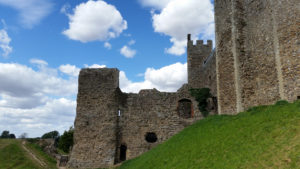
Framlingham Castle

Framlingham Castle is a castle in the market town of Framlingham in Suffolk in England. An early motte and bailey or ringwork Norman castle was built on the Framlingham site by 1148, but this was destroyed (slighted) by Henry II of England in the aftermath

Read More
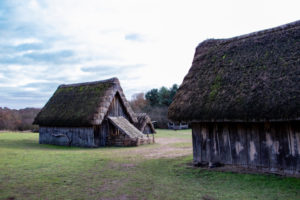
West Stow

Prehistoric settlement: The site at West Stow has shown evidence of human habitation throughout British prehistory. Indeed, the wider Lark Valley contains the greatest known concentration of prehistoric settlements in the region of East Anglia. Mesolithic: Excavation at West Stow has discovered evidence for hunter-gatherers

Read More
Share on facebook
Share on twitter
Share on linkedin
Share on pinterest
error: