
Menu
 
Portfolio
 
Terms of Use
 

Mold Castle

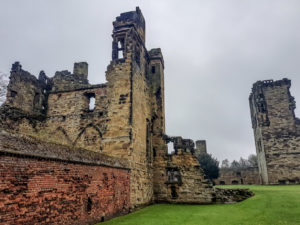
Mold Castle, on Bailey Hill in the town of Mold, Flintshire, Northeast Wales.


Mold Castle was built upon an existing earthwork. A motte and bailey fortress was erected c. 1072 – possibly by Robert de Montalt, a descendant of Eustace De Monte Alto, a Norman warrior in the service of Hugh Lupus, Earl of Chester. This family originated in Monthault, Ille-et-Vilaine, in the Duchy of Brittany, not then part of France, but it has been proposed that they took their name from ‘mont haut’, meaning ‘high hill’, and associated it with this earthwork.


This name may have become corrupted, down the years, until it became ‘Mold’. So Bailey Hill may have given the town its name. In 1146 it was captured by Owain Gwynedd. It switched hands on several occasions before a long period under Welsh control during the reign of Llywelyn ab Iorwerth. It remained a defensive structure up until the 13th century. During the English Civil War, Mold was captured by the Parliamentarians, recovered by the Royalists, and fell again to Cromwell’s forces.
 

More posts..

Urquhart Castle

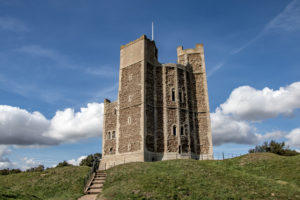
Urquhart Castle sits beside Loch Ness in the Highlands of Scotland. The castle is on the A82 road, 21 kilometers south-west of Inverness and 2 kilometers east of the village of Drumnadrochit.   The name Urquhart derives from the 7th-century form Airdchartdan, itself a mix

Read More
Danebury Iron Age Hill Fort

  Danebury Iron Age Hill Fort is one of the most studied Iron Age hill forts in Europe and a Scheduled Ancient Monument. ‘Iron Age’ describes the period between the end of the Bronze Age and the start of the Roman period (700BC to AD43).

Read More
Wistman’s Wood

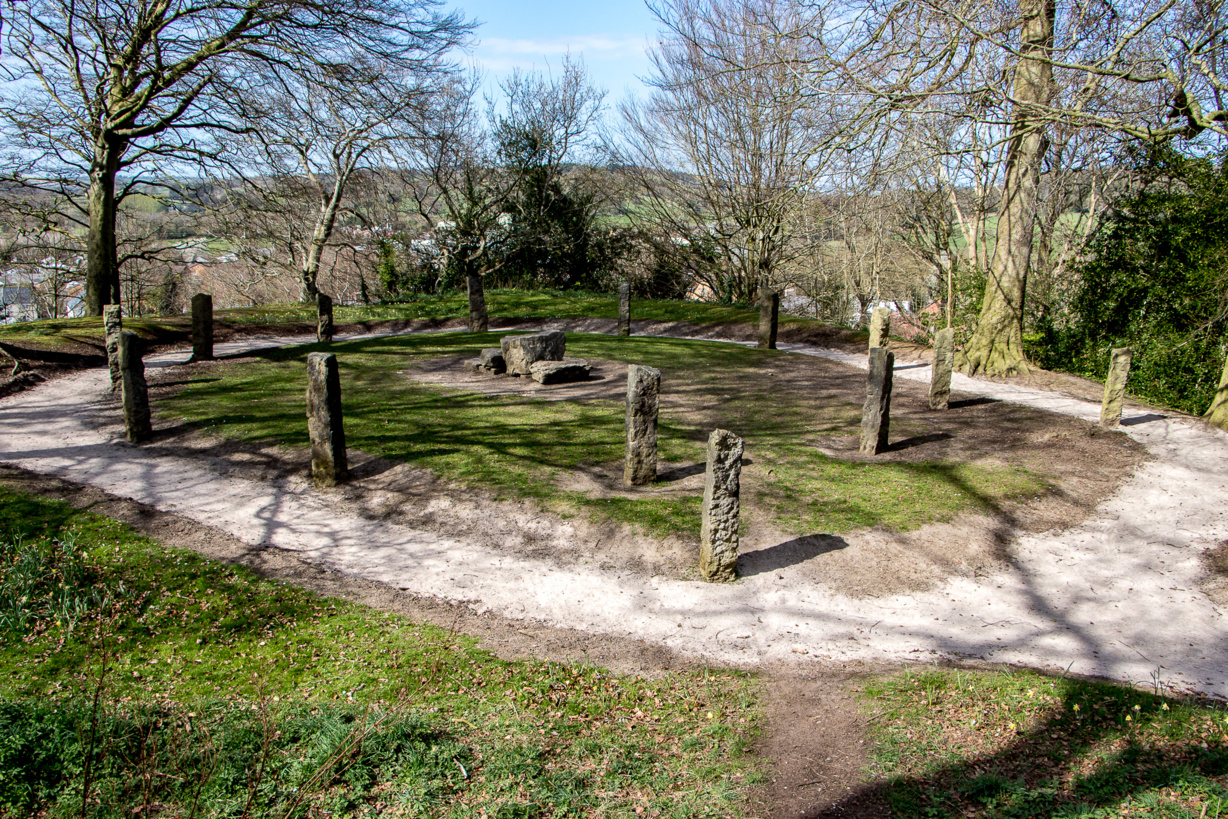
Wistman’s Wood has been mentioned in writing for hundreds of years. It is likely to be a left-over from the ancient forest that covered much of Dartmoor c. 7000 BC before Mesolithic hunter/gatherers cleared it around 5000 BC. Photographic and other records show that Wistman’s

Read More
Hastings Castle

Immediately after landing in England in 1066, William of Normandy ordered three fortifications to be built, Pevensey Castle in September 1066 (re-using the Roman Saxon Shore fort of Anderitum), Hastings (prior to the Battle of Hastings), and Dover. Hastings Castle was originally built as a

Read More
Share on facebook
Share on twitter
Share on linkedin
Share on pinterest
error: