
Menu
 
Portfolio
 
Terms of Use


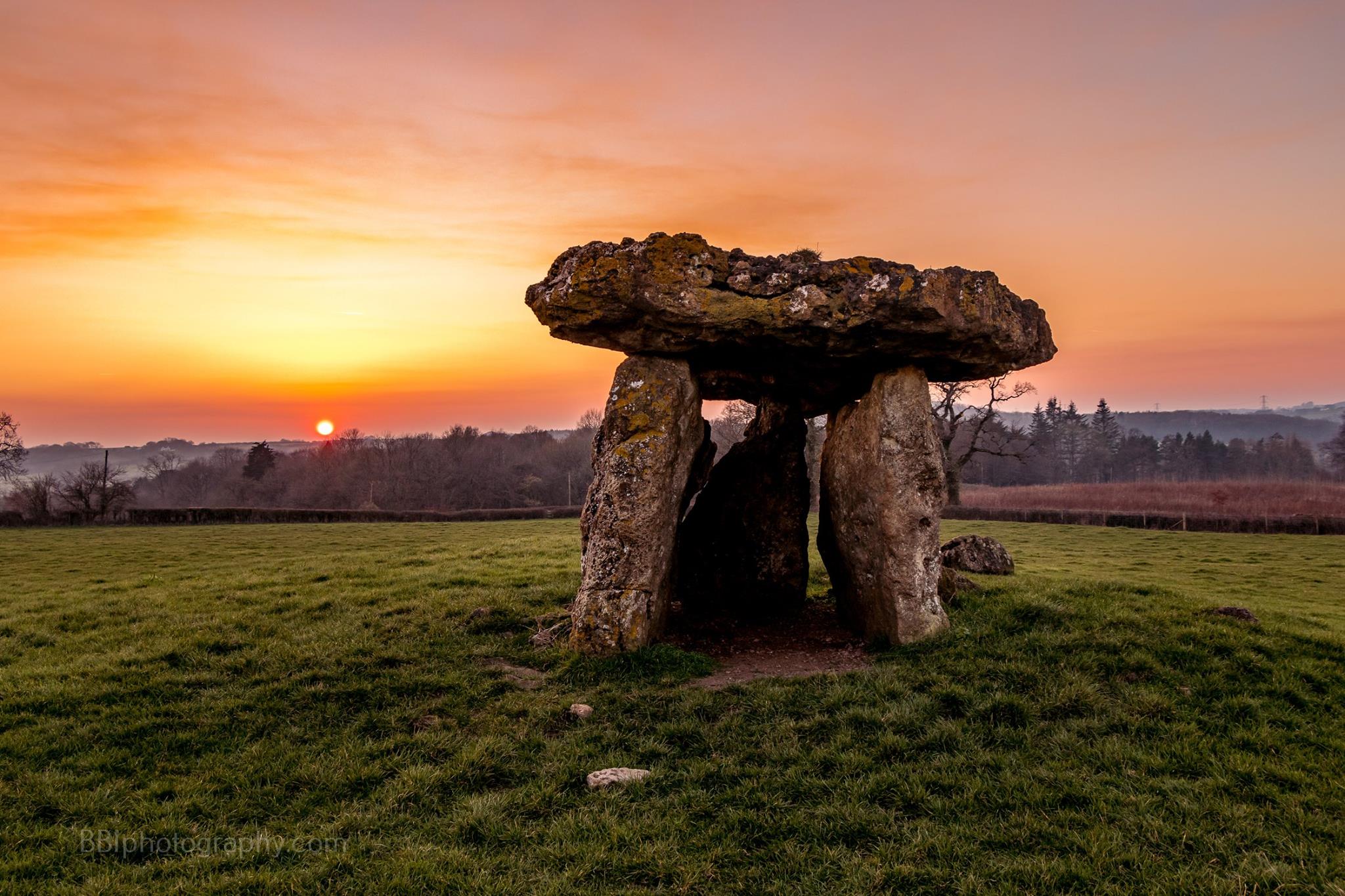
St Lythans burial chamber is a single stone megalithic dolmen, built around 6,000 BP (before present) as part of a chambered long barrow, during the mid-Neolithic period.

From the end of the last ice age (between 10,000 and 12,000 BP), Mesolithic hunter-gatherers from Central Europe began to migrate to Great Britain. They would have been able to walk between Continental Europe and Great Britain on dry land, prior to the post-glacial rise in sea level, up until between 6,000 and 7,000 BP. As the area was heavily wooded and movement would have been restricted, it is likely that people also came to what was to become known as Wales by boat from the Iberian Peninsula. These neolithic colonists integrated with the indigenous people, gradually changing their lifestyles from a nomadic life of hunting and gathering, to become settled farmers. They cleared the forests to establish pasture and to cultivate the land. They built the long barrow at St Lythans around 6,000 BP, about 1,500 years before either Stonehenge or The Egyptian Great Pyramid of Giza was completed.


More posts..

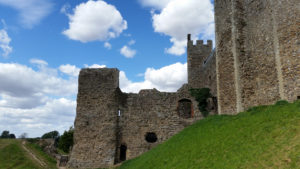
Framlingham Castle

Framlingham Castle is a castle in the market town of Framlingham in Suffolk in England. An early motte and bailey or ringwork Norman castle was built on the Framlingham site by 1148, but this was destroyed (slighted) by Henry II of England in the aftermath

Read More
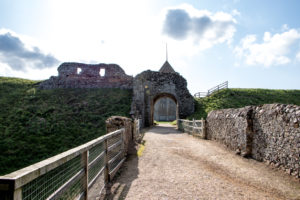
Goodrich Castle

Goodrich Castle is a Norman medieval castle ruin north of the village of Goodrich in Herefordshire, England, controlling a key location between Monmouth and Ross-on-Wye. It was praised by William Wordsworth as the “noblest ruin in Herefordshire” and is considered by historian Adrian Pettifer to

Read More
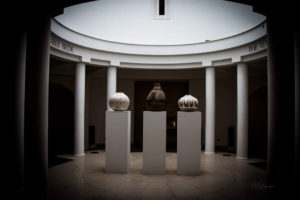
Staffordshire Hoard

  The Staffordshire Hoard is the largest hoard of Anglo-Saxon gold and silver metalwork yet found. It consists of over 3,500 items.   The hoard was most likely deposited in the 7th century and contains artifacts probably manufactured during the 6th and 7th centuries. It

Read More
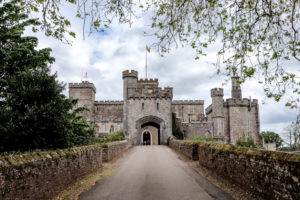
Windsor Castle

The original castle was built in the 11th century after the Norman invasion of England by William the Conqueror. Since the time of Henry I, it has been used by the reigning monarch and is the longest-occupied palace in Europe. The castle’s lavish early 19th-century

Read More
Share on facebook
Share on twitter
Share on linkedin
Share on pinterest
error: