
Menu
 
Portfolio
 
Terms of Use


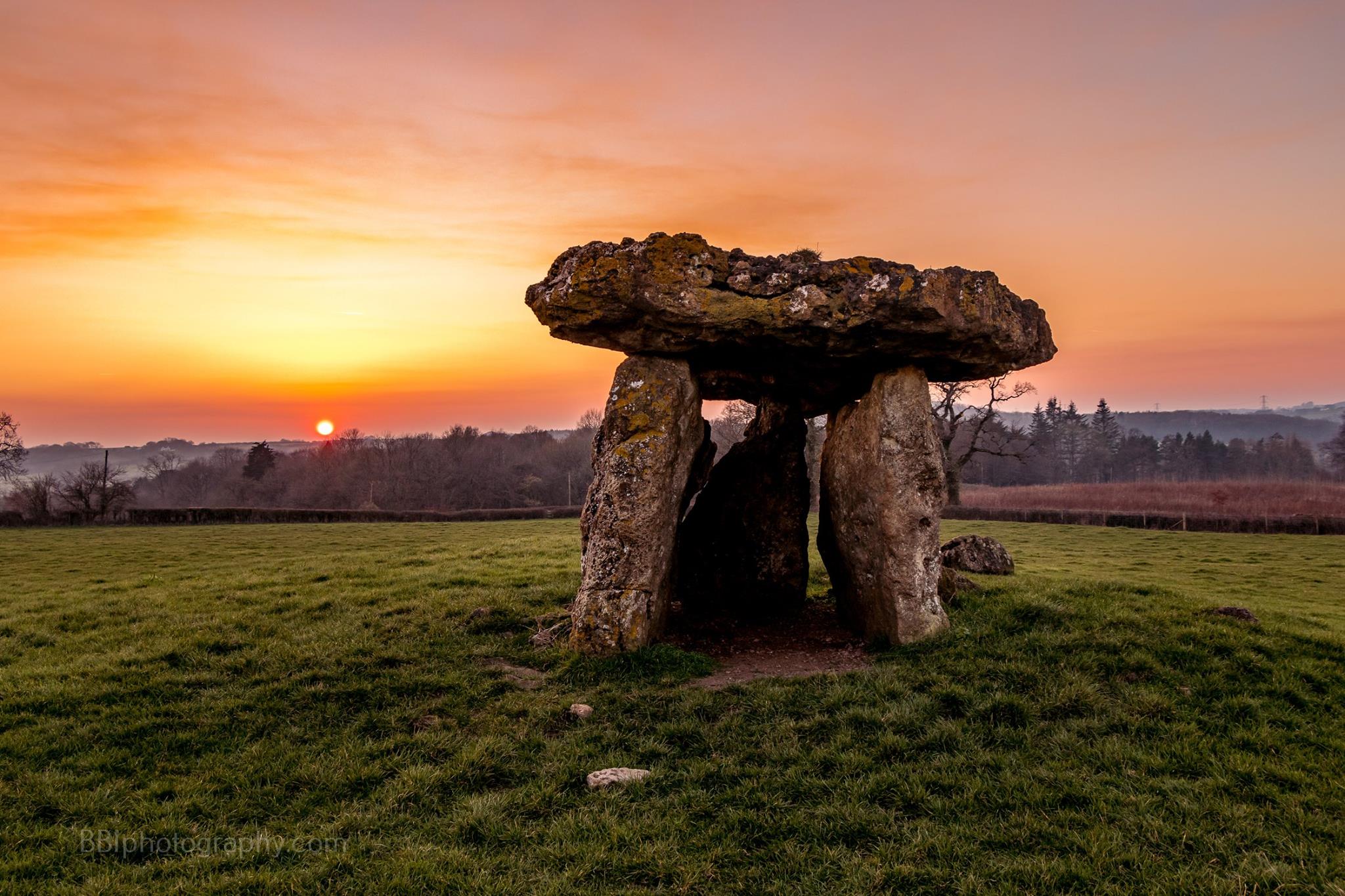
St Lythans burial chamber is a single stone megalithic dolmen, built around 6,000 BP (before present) as part of a chambered long barrow, during the mid-Neolithic period.

From the end of the last ice age (between 10,000 and 12,000 BP), Mesolithic hunter-gatherers from Central Europe began to migrate to Great Britain. They would have been able to walk between Continental Europe and Great Britain on dry land, prior to the post-glacial rise in sea level, up until between 6,000 and 7,000 BP. As the area was heavily wooded and movement would have been restricted, it is likely that people also came to what was to become known as Wales by boat from the Iberian Peninsula. These neolithic colonists integrated with the indigenous people, gradually changing their lifestyles from a nomadic life of hunting and gathering, to become settled farmers. They cleared the forests to establish pasture and to cultivate the land. They built the long barrow at St Lythans around 6,000 BP, about 1,500 years before either Stonehenge or The Egyptian Great Pyramid of Giza was completed.


More posts..

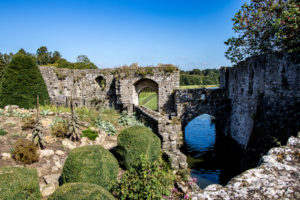
Leeds Castle

Leeds Castle is a castle in Kent, England, 5 miles southeast of Maidstone. It is built on islands in a lake formed by the River Len to the east of the village of Leeds.   A castle has existed on the site since 1119, the

Read More
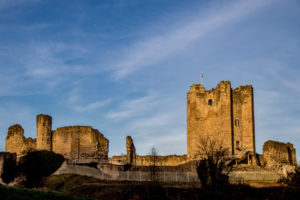
Conisbrough Castle

Conisbrough Castle is a medieval fortification in Conisbrough, South Yorkshire, England. The castle was initially built in the 11th century by William de Warenne, the Earl of Surrey, after the Norman conquest of England in 1066. Hamelin Plantagenet, the illegitimate, parvenu brother of Henry II,

Read More
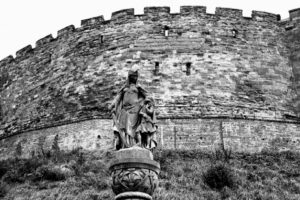
Tamworth Castle

Tamworth Castle is a Norman castle overlooking the mouth of the River Anker into the Tame in the town of Tamworth in Staffordshire, England. Before boundary changes in 1889, however, the castle was within the edge of Warwickshire while most of the town belonged to

Read More
Merrivale Standing Stones

Merrivale Standing Stones and avenue – Remains of a Bronze Age settlement and a complex of ritual sites, including three stone rows, a stone circle, standing stones, and a number of cairns – earth mounds associated with burials. The monuments were probably built over a

Read More
Share on facebook
Share on twitter
Share on linkedin
Share on pinterest
error: