
Menu
 
Portfolio
 
Terms of Use
 

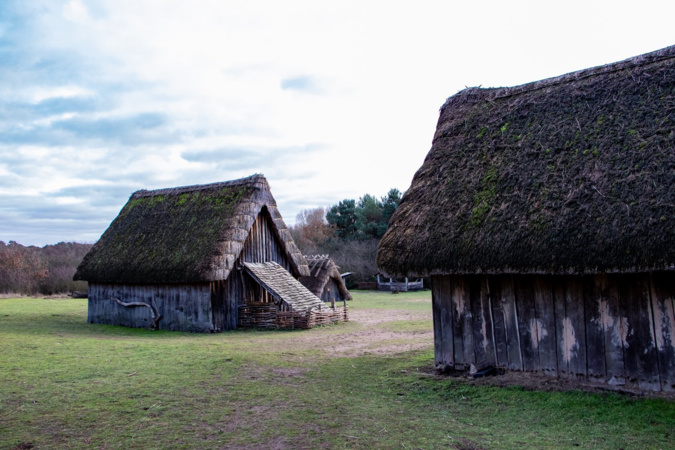
Prehistoric settlement: The site at West Stow has shown evidence of human habitation throughout British prehistory. Indeed, the wider Lark Valley contains the greatest known concentration of prehistoric settlements in the region of East Anglia.

Mesolithic: Excavation at West Stow has discovered evidence for hunter-gatherers living in the area during the Mesolithic, or “Middle Stone Age” period. Temporarily camping on the knoll, they left behind them five or six dense concentrations of Sauveterrian-style waste lithic flakes, blades, cores, and other stone implements. Similar scatters of Mesolithic worked flints have been found across the valley area.
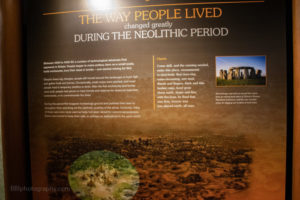
Neolithic and Bronze Ages: Grooved ware and petit tranchet-style arrowheads dating from the Neolithic Age have been found in a field adjacent to the West Stow site.
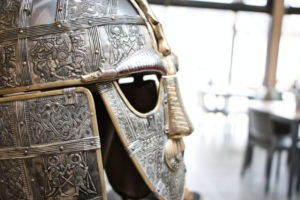
Anglo-Saxon: During the early Anglo-Saxon period, West Stow was the site of a small village made up of timber buildings.
More posts..

Letocetum

Letocetum is the ancient remains of a Roman settlement. It was an important military staging post and posting station near the junction of Watling Street, the Roman military road to North Wales, and Icknield (or Ryknild) Street (now the A38). The site is now within

Read More
Dover Castle

Dover Castle is a medieval castle in Dover, Kent, England. It was founded in the 11th century and has been described as the “Key to England” due to its defensive significance throughout history. Some sources say it is the largest castle in England, a title

Read More
Inverlochy Castle

Inverlochy Castle is a ruined, 13th-century castle near Inverlochy and Fort William, Highland, Scotland. The site of two battles, the castle remains largely unchanged since its construction.   Inverlochy Castle was built circa 1270–1280 by John “the Black” Comyn, Lord of Badenoch and Lochaber, and

Read More
Urquhart Castle

Urquhart Castle sits beside Loch Ness in the Highlands of Scotland. The castle is on the A82 road, 21 kilometers south-west of Inverness and 2 kilometers east of the village of Drumnadrochit.   The name Urquhart derives from the 7th-century form Airdchartdan, itself a mix

Read More
Share on facebook
Share on twitter
Share on linkedin
Share on pinterest
error: