
Menu
 
Portfolio
 
Terms of Use
 

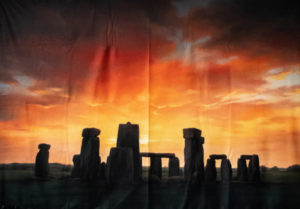
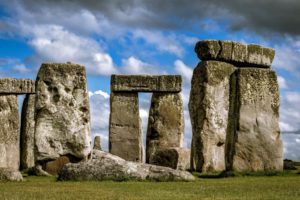
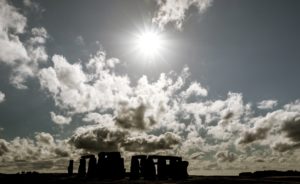
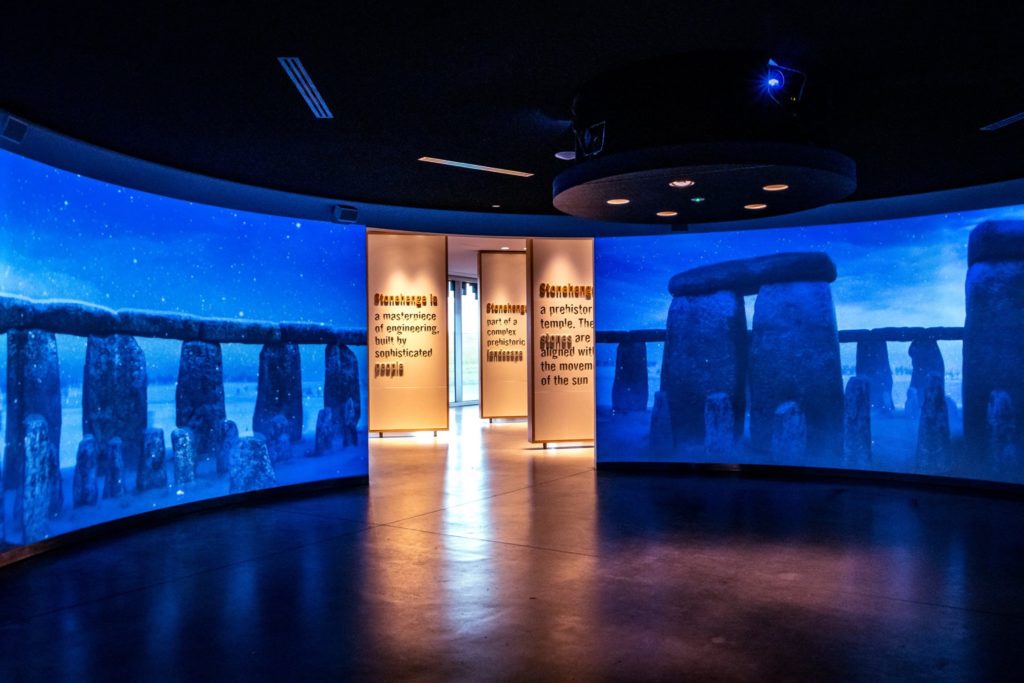
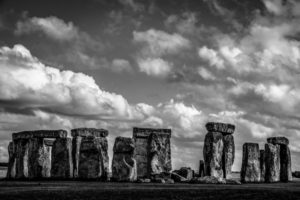
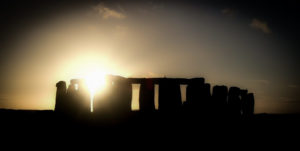
Stonehenge is a prehistoric monument in Wiltshire, England, west of Amesbury and north of Salisbury. Stonehenge’s ring of standing stones is set within earthworks in the middle of the densest complex of Neolithic and Bronze Age monuments in England, including several hundred burial mounds.

Archaeologists believe it was constructed from 3000 BC to 2000 BC. The surrounding circular earth bank and ditch, which constitute the earliest phase of the monument, have been dated to about 3100 BC. Radiocarbon dating suggests that the first bluestones were raised between 2400 and 2200 BC, although they may have been at the site as early as 3000 BC.
 

More posts..

Eye Castle

Eye Castle is a motte and bailey castle, built during the reign of William I by William Malet, who died fighting Hereward the Wake in 1071. The Malet family also controlled the surrounding Honour of Eye, a significant collection of estates centering on the castle,

Read More
Orford Castle

Orford Castle is a castle in Orford in the English county of Suffolk, 12 miles northeast of Ipswich, with views over Orford Ness. It was built between 1165 and 1173 by Henry II of England.   Prior to the building of Orford Castle, Suffolk was

Read More
The Newark Torc

  The Newark Torc is a complete Iron Age gold alloy torc found on the outskirts of Newark-on-Trent, Nottinghamshire. The torc was probably made in Norfolk and it closely resembles the Great Torc from Snettisham and is also closely similar to one found at Sedgeford,

Read More
Stirling Castle

Stirling Castle, located in Stirling, is one of the largest and most important castles in Scotland, both historically and architecturally. The castle sits atop Castle Hill, an intrusive crag, which forms part of the Stirling Sill geological formation. It is surrounded on three sides by

Read More
Share on facebook
Share on twitter
Share on linkedin
Share on pinterest
error: