
Menu
 
Portfolio
 
Terms of Use
 

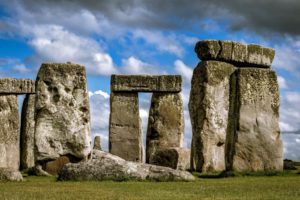
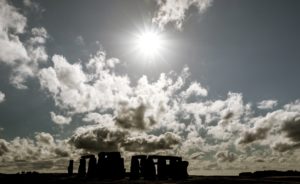
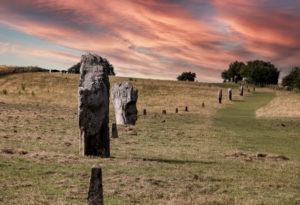
Stonehenge is a prehistoric monument in Wiltshire, England, west of Amesbury and north of Salisbury. Stonehenge’s ring of standing stones is set within earthworks in the middle of the densest complex of Neolithic and Bronze Age monuments in England, including several hundred burial mounds.

Archaeologists believe it was constructed from 3000 BC to 2000 BC. The surrounding circular earth bank and ditch, which constitute the earliest phase of the monument, have been dated to about 3100 BC. Radiocarbon dating suggests that the first bluestones were raised between 2400 and 2200 BC, although they may have been at the site as early as 3000 BC.
 

More posts..

Kit’s Coty

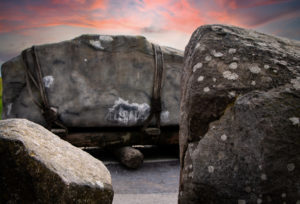
 Kit’s Coty is a chambered long barrow near the village of Aylesford in the southeastern English county of Kent. Constructed circa 4000 BCE, during the Early Neolithic period of British prehistory.   The name “Kits Coty” allegedly means “Tomb in the Forest” according to signs

Read More
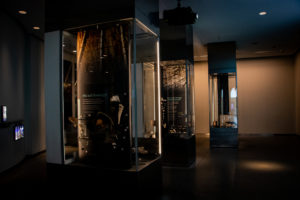
Staffordshire Hoard

  The Staffordshire Hoard is the largest hoard of Anglo-Saxon gold and silver metalwork yet found. It consists of over 3,500 items.   The hoard was most likely deposited in the 7th century and contains artifacts probably manufactured during the 6th and 7th centuries. It

Read More
Ashby de la Zouch Castle

Ashby de la Zouch Castle is a ruined fortification in the town of Ashby-de-la-Zouch, Leicestershire, England. The castle was built by William, Lord Hastings, a favorite of Edward IV, after 1473, accompanied by the creation of a 3,000-acre park. Constructed on the site of an

Read More
Lancaster Castle

Lancaster Castle is a medieval castle in Lancaster in the English county of Lancashire. Its early history is unclear but may have been founded in the 11th century on the site of a Roman fort overlooking a crossing of the River Lune. In 1164, the

Read More
Share on facebook
Share on twitter
Share on linkedin
Share on pinterest
error: