
Menu
 
Portfolio
 
Terms of Use
 

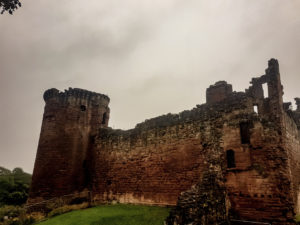
Bungay Castle

Bungay Castle is in the town of Bungay, Suffolk by the River Waveney.


Originally this was a Norman castle built by Roger Bigod of Norfolk, around 1100, which took advantage of the protection given by the curve of the River Waveney. Roger’s son, Hugh Bigod, was a prominent player in the civil war years of the Anarchy, and his loyalty was called into question during the early years of the reign of Henry II. Henry confiscated Bungay, returning it in 1164. Hugh went on to build a large square Norman keep on the site in 1165. Hugh ended up on the losing side in the Revolt of 1173–1174, Bungay was besieged, mined, and ultimately destroyed by royal forces.


The site was subsequently restored yet again to the Bigods and was further developed in 1294 by Roger Bigod, 5th Earl of Norfolk, who probably built the massive gate towers on the site. Roger fell out with Edward I and after his death the castle reverted to the Crown, falling into disrepair and ruin. From 1483, it was primarily owned by the Dukes of Norfolk until the 20th century.


More posts..

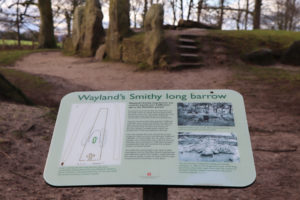
West Stow

Prehistoric settlement: The site at West Stow has shown evidence of human habitation throughout British prehistory. Indeed, the wider Lark Valley contains the greatest known concentration of prehistoric settlements in the region of East Anglia. Mesolithic: Excavation at West Stow has discovered evidence for hunter-gatherers

Read More
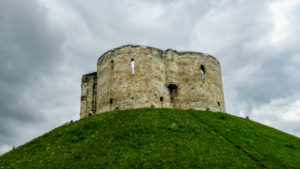
Monmouth Castle

Monmouth Castle is a castle in the town of Monmouth, the county town of Monmouthshire, southeast Wales. It is a Grade I listed building and scheduled monument. Monmouth Castle is located close to the center of Monmouth on a hill above the River Monnow, behind

Read More
Castle Rising

Castle Rising is a ruined medieval fortification in the village of Castle Rising, Norfolk, England. It was built soon after 1138 by William d’Aubigny II, who had risen through the ranks of the Anglo-Norman nobility to become the Earl of Arundel. With his new wealth,

Read More
Staffordshire Hoard

  The Staffordshire Hoard is the largest hoard of Anglo-Saxon gold and silver metalwork yet found. It consists of over 3,500 items.   The hoard was most likely deposited in the 7th century and contains artifacts probably manufactured during the 6th and 7th centuries. It

Read More
Share on facebook
Share on twitter
Share on linkedin
Share on pinterest
error: