
Menu
 
Portfolio
 
Terms of Use
 

Bothwell Castle

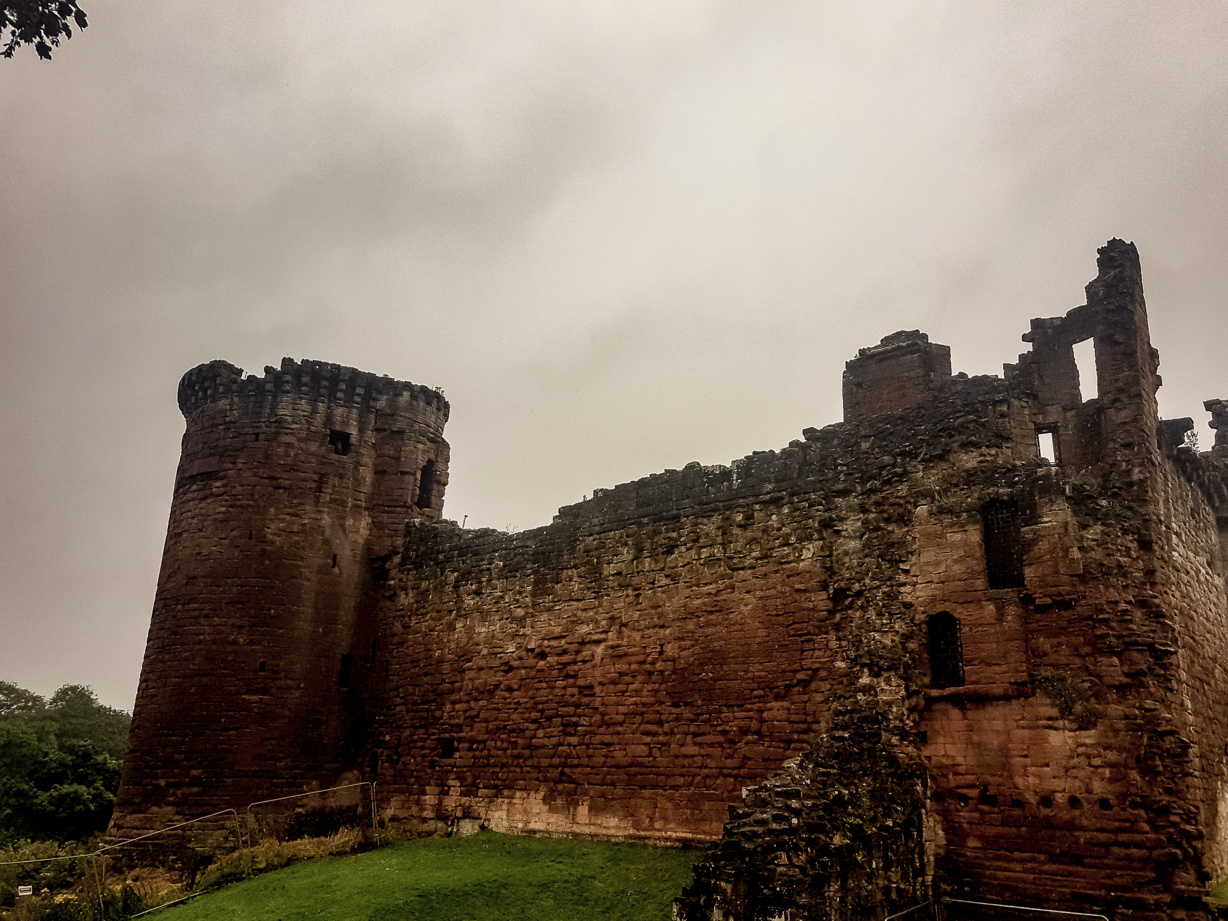
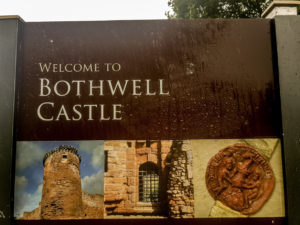
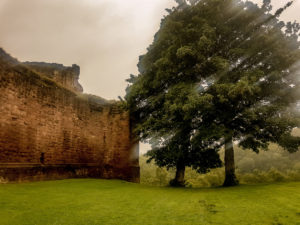
Bothwell Castle is a large medieval castle, sited on a high, steep bank, above a bend in the River Clyde in South Lanarkshire, Scotland. It is located between Bothwell and Uddingston, about 10 miles south-east of Glasgow. Construction of the castle was begun in the 13th century by the ancestors of Clan Murray, to guard a strategic crossing point of the Clyde. Bothwell played a key role in Scotland’s Wars of Independence, changing hands several times.


The huge cylindrical donjon was built in the 13th century, but before the rest of the castle was completed it was severely damaged in a series of sieges. Rebuilding in the early 15th century enlarged the castle, but it was abandoned by the 18th century. The present ruin is rectangular, with the remains of the donjon to the west, and the later Great Hall to the east. The courtyard is enclosed by long curtain walls, with round towers at the south-east and south-west corners.
 

More posts..

Sutton Hoo

  Sutton Hoo is of primary importance because it sheds light on a period of English history (6/7th century) that is on the margin between myth, legend, and historical documentation. Use of the site culminated at a time when Rædwald of the East Angles played

Read More
Leeds Castle

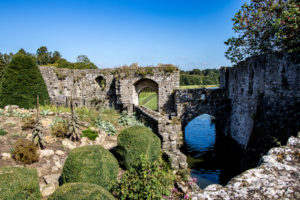
Leeds Castle is a castle in Kent, England, 5 miles southeast of Maidstone. It is built on islands in a lake formed by the River Len to the east of the village of Leeds.   A castle has existed on the site since 1119, the

Read More
Ipswich Hoard

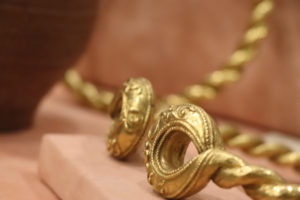
    Ipswich Hoard, plus – There are two notable Ipswich Hoards. The first was a hoard of Anglo-Saxon coins discovered in 1863. The second was a hoard of six Iron Age gold torcs that was discovered in 1968 and 1969. The latter hoard has

Read More
Wayland’s Smithy

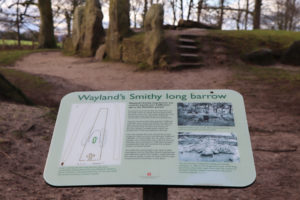
Wayland’s Smithy is a chambered long barrow located near the village of Ashbury in the south-eastern English county of Oxfordshire. Probably constructed in the thirty-sixth century BC, during Britain’s Early Neolithic period, today it survives in a partially reconstructed state.   Wayland’s Smithy is along

Read More
Share on facebook
Share on twitter
Share on linkedin
Share on pinterest
error: